

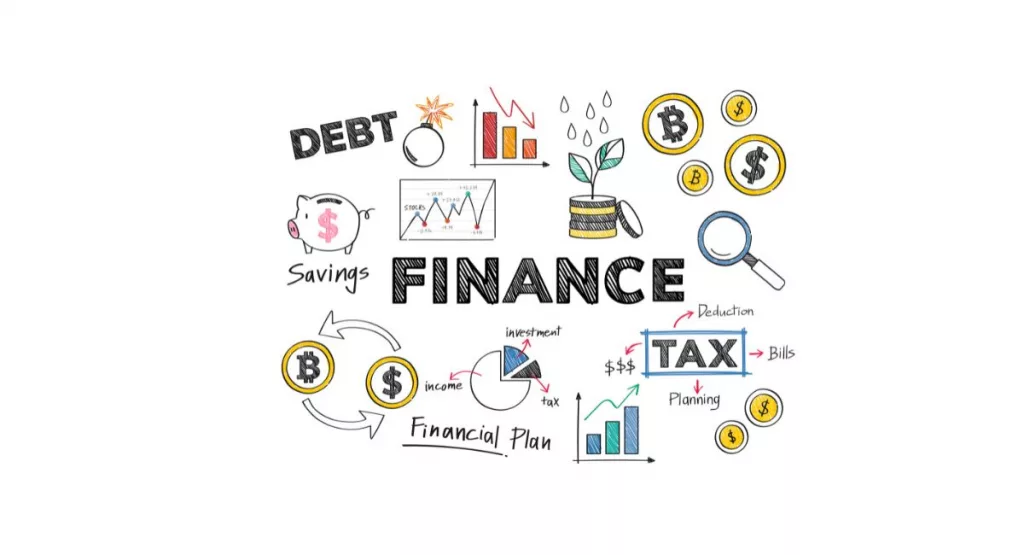
We often think of investing in stocks or buying property as the ultimate “wealth move.” But in reality, the strongest foundation you can build isn’t a high-return investment—it’s a boring, simple Emergency Fund.
Life is unpredictable. Whether it’s an unexpected car repair, a sudden medical bill, or a gap between projects, having a “buffer” changes your relationship with stress. Instead of a crisis, an unexpected expense becomes just an inconvenience.
How much is enough?
Most experts suggest aiming for 3 to 6 months of basic living expenses. This isn’t your total salary, but the bare minimum you need to cover rent, food, and utilities.
How to start (without feeling the pinch):
-
Automate it: Set up a small transfer to a separate savings account the day you get paid. If you don’t see it, you won’t miss it.
-
Keep it liquid: This money shouldn’t be tied up in gold or stocks. It needs to be in a high-yield savings account where you can grab it in 24 hours if needed.
-
Start small: Don’t stress about the 6-month goal today. Start with $500. Then $1,000. Every dollar in that fund is a brick in your wall of financial security.
The Bottom Line: An emergency fund gives you something money can’t usually buy: peace of mind.

