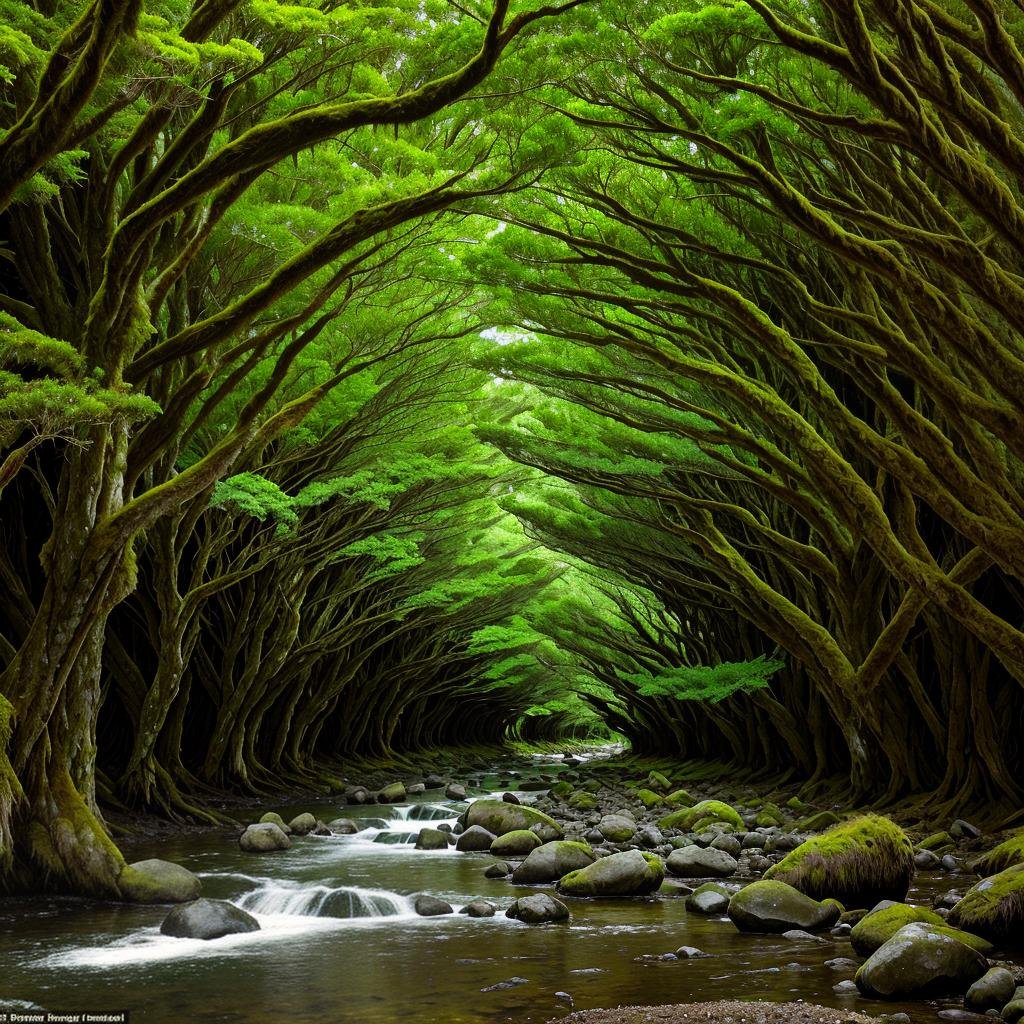
New Zealand, a land of captivating landscapes and breathtaking natural beauty, is renowned for its pristine forests that offer a sanctuary for both wildlife and adventure seekers. From ancient trees to rare flora and fauna, these forests hold an irreplaceable place in New Zealand’s ecosystem and culture. If you’re a nature enthusiast, a hiker, or simply someone who finds solace in the embrace of the wild, these top ten forests in New Zealand are must-visit destinations.
1. Fiordland National Park
Nestled in the southwest corner of the South Island, Fiordland National Park is a UNESCO World Heritage Site that houses some of the most awe-inspiring forests in New Zealand. The park’s rainforests are home to the iconic silver fern and ancient podocarps. The Milford Track, known as the “finest walk in the world,” takes you through lush rainforests, cascading waterfalls, and serene lakes.
2. Tongariro Forest Park
On the North Island, Tongariro Forest Park offers a unique blend of volcanic landscapes and dense forests. The Whakapapa and Taranaki Falls tracks guide you through enchanting beech forests, alongside pristine rivers, and beneath the gaze of towering volcanoes. This park is also home to the famous Tongariro Alpine Crossing, a challenging hike that leads you through diverse vegetation and stunning vistas.
3. Waipoua Forest
Waipoua Forest, located in Northland, is a haven for those seeking a glimpse of New Zealand’s ancient past. This forest is renowned for its collection of kauri trees, including the iconic Tāne Mahuta, the largest known living kauri tree. Walking through Waipoua is like stepping back in time, as you’re surrounded by towering trees that have witnessed centuries of history.
4. Abel Tasman National Park
Combining lush forests with golden sandy beaches, Abel Tasman National Park on the South Island offers a unique coastal forest experience. The Abel Tasman Coast Track takes you through native bushland, offering glimpses of the Tasman Sea. The scent of the sea mingles with the fragrance of native plants, creating a sensory symphony that’s hard to forget.
5. Eglinton Valley
Driving through Eglinton Valley on the road to Milford Sound is an experience like no other. Hemmed in by towering mountains, this valley is adorned with ancient beech forests that create an ethereal atmosphere. Short walks like the Avenue of the Disappearing Mountain offer a magical encounter with these age-old trees.
6. Puketi Forest
Hidden in the Bay of Islands, Puketi Forest is a gem waiting to be discovered. This forest is home to kauri trees and is intertwined with boardwalks that protect the delicate ecosystem while allowing visitors to immerse themselves in the beauty of the forest. The night walks here provide a chance to witness the nocturnal creatures that call Puketi home.
7. Catlins Forest Park
For those seeking a more off-the-beaten-path experience, Catlins Forest Park on the South Island’s southeastern coast is a haven of tranquility. From the lush podocarp forests to the rugged coastline, this park offers a diverse range of landscapes to explore. Waterfalls, viewpoints, and rare wildlife sightings are among the treasures awaiting curious adventurers.
8. Whirinaki Te Pua-a-Tāne Conservation Park
Known as a living laboratory of ancient flora and fauna, this North Island forest is a paradise for botanists and nature enthusiasts. The ancient podocarp trees and diverse birdlife create a symphony of sounds as you traverse its trails. The highlight is undoubtedly the Giant Totara Walk, where you’ll encounter trees that have stood for over a thousand years.
9. Pureora Forest Park
Central North Island’s Pureora Forest Park boasts an impressive range of biodiversity and recreational opportunities. Home to the famous Timber Trail, a mountain biking route, this forest park offers a unique way to experience the lush landscapes. Towering rimu trees and glimpses of endangered bird species make this forest a conservation hotspot.
10. Kahurangi National Park
At the top of the South Island lies Kahurangi National Park, a place of rugged beauty and diverse ecosystems. The park’s forests range from coastal to alpine, and the Heaphy Track allows you to explore a significant portion of these landscapes. Unique rock formations, diverse birdlife, and the solitude of the wilderness await those who venture here.
Conclusion
New Zealand’s forests are not just collections of trees; they’re living ecosystems that have shaped the country’s history, culture, and identity. Whether you’re seeking adventure, solace, or a connection to nature, these top ten forests offer an unparalleled experience. From the ancient kauri trees to the enchanting beech forests, each location has its own story to tell. So, pack your hiking boots, embrace the spirit of exploration, and immerse yourself in the wilderness wonders of New Zealand.
FAQs
Q1: Are these forests easily accessible for visitors?
A1: Yes, most of these forests have well-maintained trails and tracks that cater to a range of fitness levels. Some may require permits or guided tours, so it’s best to check in advance.
Q2: Are these forests safe for solo hikers?
A2: While New Zealand is generally safe for solo hikers, it’s important to follow safety guidelines, inform someone about your plans, and carry appropriate gear. Weather conditions can change rapidly, so always be prepared.
Q3: Can I camp in these forests?
A3: Many of these forests offer camping facilities, but regulations vary. Some areas might require advance booking or have specific camping zones to protect the environment. Research and plan accordingly.
Q4: What is the best time to visit these forests?
A4: The best time to visit varies by location. New Zealand’s seasons are opposite those in the Northern Hemisphere, so their summer months (December to February) are popular for outdoor activities. However, spring and autumn offer milder weather and fewer crowds.
Q5: Are guided tours available for these forests?
A5: Yes, guided tours are available for many of these forests. These tours often provide valuable insights into the ecology, history, and cultural significance of the areas.
Q6: Are these forests suitable for families with children?
A6: Yes, many of these forests have family-friendly trails suitable for children. Always check trail difficulty and duration before setting out, and ensure you have enough supplies for everyone.
Q7: Can I see wildlife in these forests?
A7: Absolutely! New Zealand’s forests are home to a variety of unique bird species, insects, and other wildlife. Some forests have native parrots, like the playful Kea, while others offer opportunities to spot rare birds like the Kiwi.
Q8: Are there any entrance fees for these forests?
A8: Some forests may have entrance fees or require permits, especially for overnight stays. Check with the local authorities or visitor centers for up-to-date information on fees and permits.
Q9: What should I pack for a forest hike in New Zealand?
A9: Pack comfortable hiking attire, sturdy footwear, weather-appropriate clothing (including rain gear), sufficient water, snacks, a map, a first aid kit, and any required permits. Insect repellent and sun protection are also essential.
Q10: Are drones allowed in these forests?
A10: Drone regulations vary by location and can impact the local environment and wildlife. In many cases, drones are restricted to protect the ecosystem and maintain the tranquility of the area. Check with authorities before bringing a drone.