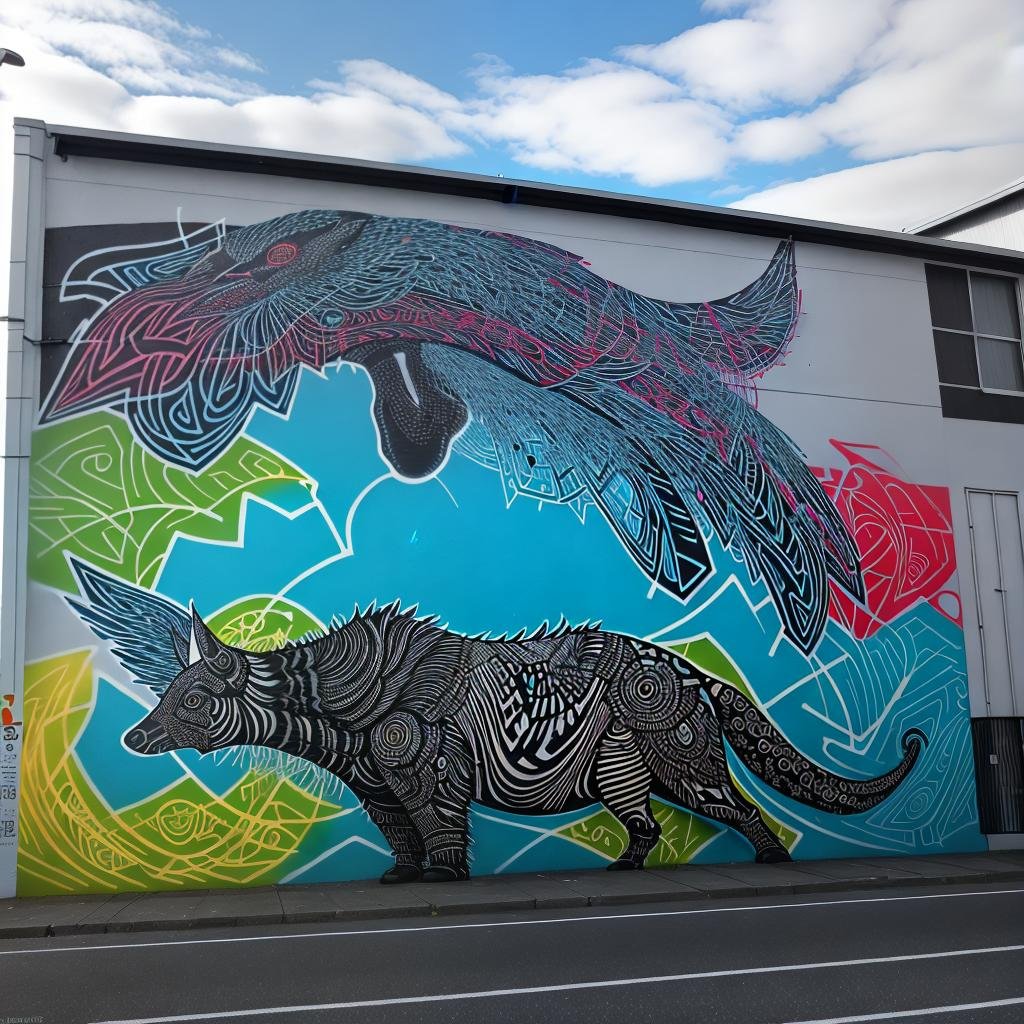
Urban street art has the power to transform the mundane into the extraordinary, to infuse life and color into concrete jungles, and to tell stories that resonate with the community. New Zealand, with its vibrant cities and rich cultural diversity, has become a haven for graffiti artists and muralists alike. In this article, we’ll take a virtual journey through the urban landscapes of New Zealand to explore the top ten graffiti and murals that have captured the essence of the country’s creative spirit.
1. Auckland’s Kaleidoscope Alley
Located in the heart of Auckland, Kaleidoscope Alley is a testament to the city’s commitment to embracing street art. The alley boasts an array of vibrant murals that mirror the city’s cultural mosaic. From Maori motifs to contemporary abstracts, the art here captures the essence of Auckland’s diversity.
2. Wellington’s Cuba Street Canvas
Wellington, the capital city of New Zealand, is a hub of artistic expression. Cuba Street, a bustling thoroughfare, features a constantly evolving canvas of street art. Murals here often reflect the city’s quirky and progressive character, making every stroll down the street a delightful visual adventure.
3. Christchurch’s Regeneration Rhapsody
Following the devastating earthquakes of 2010 and 2011, Christchurch underwent a remarkable transformation, and street art played a pivotal role in this rebirth. The city’s walls became the canvas for hope and renewal, with murals depicting stories of resilience, unity, and rebuilding.
4. Dunedin’s Whimsical Wonders
Dunedin’s street art scene is a mix of the historical and the contemporary. The city’s heritage buildings provide a backdrop for murals that blend seamlessly with their surroundings. From realistic portraits to fantastical creatures, Dunedin’s street art is a true reflection of the city’s charm.
5. Taupo’s Lakefront Palette
Taupo, known for its stunning lake and picturesque landscapes, extends its artistic flair to the streets as well. The town’s lakefront area is adorned with murals that pay homage to the beauty of nature. These artworks often incorporate elements of the surrounding environment, creating a harmonious blend of art and nature.
6. Nelson’s Mural Extravaganza
Nelson’s streets are like an open-air gallery, with murals that span a wide range of styles and themes. From historical commemorations to contemporary commentaries, the murals here invite viewers to engage with the stories they tell. Nelson’s commitment to public art is evident in every stroke of the brush.
7. Hamilton’s Urban Utopia
Hamilton’s street art scene has flourished in recent years, with the city embracing the transformative power of art. The artworks here often reflect social issues, cultural narratives, and local perspectives. The result is a colorful tapestry that both beautifies the urban landscape and sparks important conversations.
8. Queenstown’s Adventurous Murals
Queenstown’s reputation as an adventure capital extends to its street art as well. Murals here capture the thrill of outdoor pursuits, from adrenaline-pumping activities to serene landscapes. These artworks not only celebrate Queenstown’s adventurous spirit but also offer a visual representation of the experiences it offers.
9. Rotorua’s Cultural Chronicles
Rotorua’s street art is deeply rooted in its indigenous Maori culture. The murals here often depict ancestral stories, cultural symbols, and traditional art forms. Rotorua’s streets become a canvas for preserving and sharing the rich heritage of the Maori people.
10. Tauranga’s Maritime Murals
Tauranga’s coastal location is celebrated through its maritime-themed murals. These artworks pay homage to the city’s seafaring heritage, depicting scenes of ships, marine life, and coastal beauty. The murals resonate with both locals and visitors, forming a connection with the city’s past and present.
Conclusion
New Zealand’s urban street art is a celebration of creativity, diversity, and resilience. From Auckland’s cultural kaleidoscope to Tauranga’s maritime tales, each city offers a unique canvas for artists to express themselves and engage with the community. These top ten graffiti and murals showcase the power of art to transform public spaces into vibrant galleries that tell stories, spark conversations, and enrich the urban experience.
FAQs
Q1: Is street art legal in New Zealand?
A1: The legality of street art varies across different cities and regions in New Zealand. Some cities have embraced street art and have designated spaces for artists to create, while others may have stricter regulations. It’s important to research and understand local laws and regulations before engaging in street art.
Q2: How often do the murals change in these cities?
A2: The frequency of mural changes depends on various factors, including city policies, artist availability, and community initiatives. Some cities may have rotating mural programs that bring in new artworks periodically, while others might have more permanent installations.
Q3: Can I participate in creating street art in New Zealand?
A3: Many cities in New Zealand offer opportunities for both local and international artists to participate in creating street art. Some cities have organized festivals or events dedicated to street art, where artists can apply to contribute their work.
Q4: Are guided street art tours available for visitors?
A4: Yes, guided street art tours are available in several cities across New Zealand. These tours provide visitors with insights into the stories, techniques, and artists behind the murals. It’s a great way to explore the city’s street art scene while learning about its cultural and historical significance.
Q5: How does street art contribute to the cultural identity of New Zealand?
A5: Street art serves as a dynamic form of cultural expression in New Zealand. It reflects the country’s diverse heritage, including Maori culture, contemporary perspectives, and global influences. Street art contributes to shaping the cultural identity of cities, fostering a sense of community pride and creativity.
Q6: Are there any famous street artists from New Zealand?
A6: Yes, New Zealand has produced several notable street artists who have gained recognition both locally and internationally. Artists like Askew One, Mica Still, and Charles Williams have contributed significantly to the street art scene and have showcased their work in various cities around the world.
Q7: How can I stay updated about street art events in New Zealand?
A7: To stay informed about street art events, festivals, and new installations in New Zealand, you can follow local art organizations, city websites, and social media accounts of artists. These platforms often share updates about upcoming events and opportunities for engagement.
Q8: Are there any rules for taking photos of street art in New Zealand?
A8: While taking photos of street art is generally acceptable, it’s important to be respectful of the artists’ work and the surrounding environment. Avoid causing damage to the artwork or property, and consider sharing your photos with proper attribution to the artists when sharing on social media.
Q9: Are there art supplies stores in these cities for aspiring street artists?
A9: Most major cities in New Zealand have art supplies stores where aspiring street artists can find a variety of materials such as spray paints, brushes, stencils, and more. Additionally, some cities may have street art-specific stores that cater to the needs of urban artists.
Q10: How can I support the street art scene in New Zealand?
A10: Supporting the street art scene in New Zealand can be done by attending street art events, participating in workshops, purchasing art from local artists, and respecting the artwork and artists’ efforts. Additionally, advocating for public art initiatives and policies that promote street art can also contribute to its growth and sustainability.