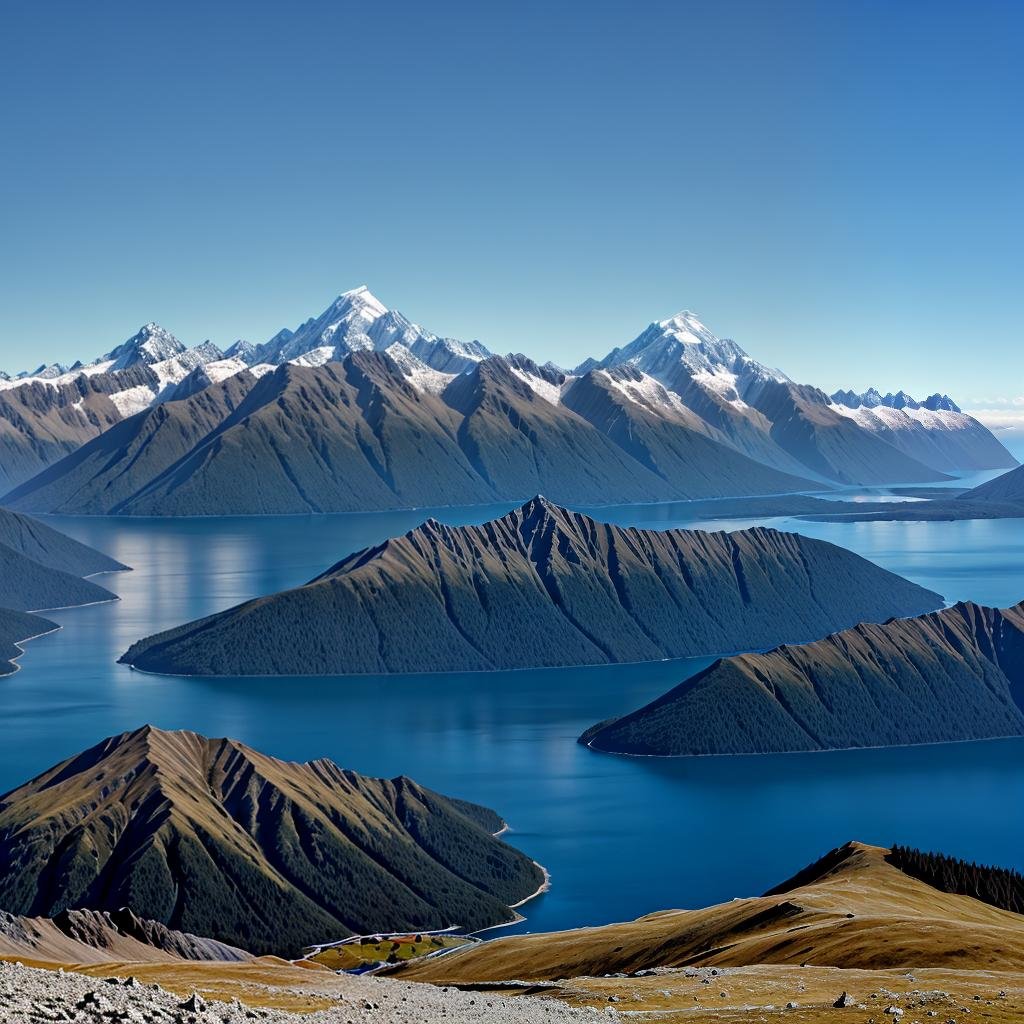
New Zealand, a land of breathtaking landscapes and natural beauty, is a paradise for outdoor enthusiasts and adventure seekers. One of the most captivating features of this island nation is its magnificent mountains that stand tall and proud, inviting explorers to conquer their heights. From snow-capped summits to rugged terrains, New Zealand offers a plethora of mountainous challenges that are sure to leave you awe-inspired. In this article, we will take you on a journey through the top ten peaks to conquer in New Zealand, each offering a unique experience and a sense of accomplishment like no other.
1. Mount Cook (Aoraki)
Towering at 3,724 meters (12,218 feet), Mount Cook is New Zealand’s highest peak and a beacon for mountaineers from around the world. Situated in the Southern Alps of the South Island, this majestic mountain offers a variety of routes suitable for both beginners and experienced climbers. The view from the summit is a reward in itself, providing an unparalleled panorama of the surrounding alpine beauty.
2. Mount Aspiring (Tititea)
Often referred to as the “Matterhorn of the South,” Mount Aspiring stands as a challenging yet enticing conquest. With an elevation of 3,033 meters (9,951 feet), this peak requires technical climbing skills. The journey to its summit takes you through pristine glaciers, lush valleys, and rugged ridges, making it a complete alpine adventure.
3. Mount Taranaki
Rising dramatically from the Taranaki region, Mount Taranaki’s symmetrical cone is a sight to behold. At 2,518 meters (8,261 feet), this dormant volcano offers various trails for hikers and climbers. The Pouakai Crossing is a popular trek that provides stunning views of the mountain and its surrounding landscapes.
4. Mount Earnslaw (Pikirakatahi)
Located in the Southern Alps, Mount Earnslaw stands as an epitome of alpine beauty. At 2,819 meters (9,249 feet), it offers routes for mountaineers and backcountry skiers. The Rees-Dart Track is a multi-day trek that allows you to experience the charm of this mountain along with the serenity of its alpine lakes and valleys.
5. Mount Sefton
Dominating the skyline of Aoraki/Mount Cook National Park, Mount Sefton boasts impressive icefalls and rugged terrain. Climbers are drawn to its challenges and rewards, with a summit height of 3,157 meters (10,357 feet). The Linda Glacier route is a popular choice, offering a mix of ice and rock climbing.
6. Mount Tasman
Sharing the spotlight with Mount Cook, Mount Tasman is New Zealand’s second-highest peak, reaching 3,498 meters (11,476 feet). The climb is demanding and best suited for experienced mountaineers. The Hochstetter Icefall route is renowned for its technical challenges and breathtaking ice formations.
7. Mount Ngauruhoe
For the adventurous souls, Mount Ngauruhoe’s conical shape and lunar-like landscapes are an irresistible call. Known for its role as Mount Doom in the “Lord of the Rings” movies, this 2,291-meter (7,516-foot) stratovolcano offers a challenging scree-filled ascent and an unforgettable experience.
8. Mount Tapuae-o-Uenuku
Standing as the highest peak outside the Southern Alps, Mount Tapuae-o-Uenuku offers a unique climb in the Inland Kaikoura Range. Reaching 2,885 meters (9,465 feet), this peak rewards climbers with sweeping views of both the Pacific Ocean and the Southern Alps.
9. Mount Hikurangi
Not only is Mount Hikurangi culturally significant to the Māori people, but it also offers a non-technical climb that’s perfect for those new to mountaineering. Rising 1,752 meters (5,748 feet) above the North Island’s East Coast, it provides stunning vistas and a chance to connect with Māori heritage.
10. Mitre Peak (Rahotu)
Towering over the serene Milford Sound, Mitre Peak is a stunning sight to behold. Rising almost vertically from the sea, it reaches a height of 1,692 meters (5,551 feet). While not as high as some other peaks on this list, its unique location and aesthetic make it a must-climb for any adventurer.
Conquering these majestic peaks is an accomplishment that few can claim. Each climb offers not only a physical challenge but also an opportunity to connect with nature and push your limits. Remember, safety should always be a priority, and proper preparation, including fitness training and acquiring the necessary skills, is essential before embarking on these journeys.
Conclusion
New Zealand’s majestic mountains offer a playground for mountaineers and adventurers seeking a challenge that combines stunning landscapes with physical accomplishment. From the towering heights of Mount Cook to the unique allure of Mitre Peak, each climb presents a different experience and a chance to connect with the rugged beauty of the Kiwi wilderness. As you prepare to embark on these journeys, remember to prioritize safety, proper training, and respect for the environment, ensuring that you make the most of your mountaineering endeavors in this awe-inspiring country.
FAQs
Q1: Are these mountains suitable for beginners?
While some peaks offer routes that are more accessible to beginners, most of the listed mountains require some level of climbing experience and technical skills. It’s important to research the specific requirements of each climb and choose accordingly.
Q2: When is the best time to climb these peaks?
The climbing season in New Zealand typically runs from late spring (November) to early autumn (March). During this time, weather conditions are generally more favorable, and the risk of avalanches and harsh conditions is reduced.
Q3: Do I need a guide to climb these mountains?
For novice climbers, hiring a guide is highly recommended. Experienced guides can provide valuable knowledge about the terrain, weather patterns, and safety measures, increasing your chances of a successful and safe climb.
Q4: What kind of equipment is required for these climbs?
The equipment needed varies depending on the mountain and the route. However, basic mountaineering gear such as crampons, ice axes, ropes, helmets, and appropriate clothing are essential for most of these climbs. Technical climbs may require additional specialized gear.
Q5: Are permits required to climb these peaks?
Permit requirements vary depending on the location and the type of climb. Some areas, especially those within national parks, may require permits to manage the number of climbers and protect the environment. It’s crucial to check with local authorities before attempting any climb.