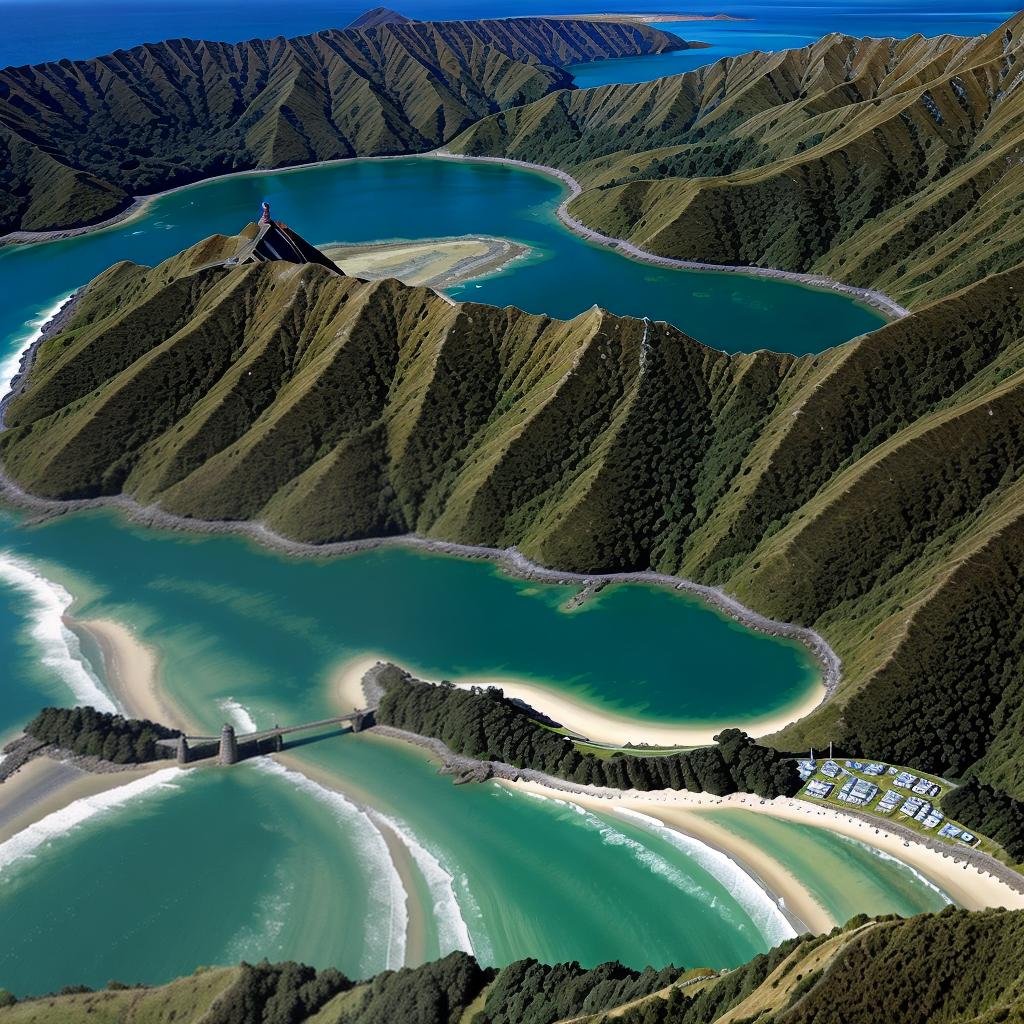
New Zealand, a land of breathtaking landscapes and rich cultural heritage, offers visitors a unique opportunity to explore the traditions and history of the indigenous Maori people. With their deep connection to the land and centuries-old customs, the Maori have left an indelible mark on the country’s identity. From ancient meeting grounds to intricately carved marae, there are numerous cultural sites across New Zealand that provide insight into the Maori way of life. In this article, we’ll take you on a journey through the top ten Maori cultural sites that are a must-visit for anyone interested in understanding the heart and soul of New Zealand.
1. Te Papa Tongarewa – Museum of New Zealand, Wellington
Location: 55 Cable Street, Wellington
The Te Papa Tongarewa museum is a treasure trove of Maori artifacts and stories. With interactive displays and immersive exhibitions, visitors can gain a deeper understanding of Maori culture, art, and history. The Te Marae exhibit, a traditional Maori meeting ground, is a highlight, showcasing the importance of community and connection.
2. Waitangi Treaty Grounds, Bay of Islands
Location: 1 Tau Henare Drive, Waitangi
The Waitangi Treaty Grounds hold immense historical significance as the site where the Treaty of Waitangi was signed in 1840 between the British Crown and Maori chiefs. The grounds feature the Treaty House, an ornately carved meeting house, and a giant ceremonial waka (canoe), offering insights into the forging of New Zealand’s modern identity.
3. Tamaki Maori Village, Rotorua
Location: 1220 Hinemaru Street, Rotorua
For an immersive cultural experience, the Tamaki Maori Village is a must-visit. Set in the heart of Rotorua, visitors can engage in traditional ceremonies, witness captivating performances, and partake in a traditional Hangi feast cooked in the earth. It’s a hands-on way to embrace the Maori way of life.
4. Whakarewarewa – The Living Maori Village, Rotorua
Location: 17 Tryon Street, Whakarewarewa, Rotorua
Whakarewarewa offers a glimpse into a thriving Maori community living amidst geothermal wonders. Visitors can witness geysers erupting, bubbling mud pools, and even explore a carved meeting house. The residents share their daily lives, showcasing the harmonious coexistence of tradition and nature.
5. Te Puia, Rotorua
Location: Hemo Road, Tihiotonga, Rotorua
Te Puia is a hub of Maori cultural preservation and innovation. Home to the New Zealand Māori Arts and Crafts Institute, visitors can observe master carvers and weavers at work. The site also features the impressive Pohutu Geyser and the Te Aronui-a-Rua meeting house.
6. Auckland War Memorial Museum
Location: The Auckland Domain, Parnell
This museum is home to an extensive collection of Maori artifacts, including intricately carved canoes, weapons, and ancestral carvings. The Maori Court within the museum provides a comprehensive overview of Maori history, art, and cultural practices.
7. Hawke’s Bay – Nukutaurua Marae, Napier
Location: 57 Tait Drive, Onekawa, Napier
Nukutaurua Marae offers an authentic Maori cultural experience. The marae is adorned with beautiful carvings and hosts regular cultural events and performances, providing an opportunity to engage with the local Maori community.
8. Otago Museum, Dunedin
Location: 419 Great King Street, North Dunedin
The Tāngata Whenua exhibit at the Otago Museum celebrates the culture and heritage of the Maori people of the Otago region. The exhibit features artifacts, traditional clothing, and stories that highlight the Maori connection to the land and sea.
9. Kaiapoi Pa
Location: Kaiapoi, Canterbury
Kaiapoi Pa is an ancient fortified village site that offers a glimpse into pre-European Maori life. Visitors can explore the earthworks and learn about the history and significance of this strategic location.
10. Hokitika – National Kiwi Centre
Location: 68 Tancred Street, Hokitika
While primarily a kiwi conservation center, the National Kiwi Centre in Hokitika also offers insights into Maori mythology and legends related to the iconic flightless bird. It’s a unique opportunity to explore the intersection of Maori culture and New Zealand’s natural world.
Conclusion
New Zealand’s Maori cultural sites provide an opportunity for travelers to delve into the history, art, and traditions of the indigenous people who have shaped the nation’s identity. From immersive experiences to historical landmarks, each site offers a unique perspective on the rich tapestry of Maori culture. By visiting these sites, travelers can gain a deeper appreciation for the significance of Maori heritage in New Zealand.
FAQs
Q1: What is the significance of the Waitangi Treaty Grounds?
The Waitangi Treaty Grounds hold immense historical importance as the site where the Treaty of Waitangi was signed in 1840 between the British Crown and Maori chiefs. This treaty laid the foundation for New Zealand’s modern identity and the relationship between Maori and non-Maori communities.
Q2: How can I experience traditional Maori customs at Tamaki Maori Village?
At Tamaki Maori Village in Rotorua, visitors can engage in traditional ceremonies, watch captivating performances, and participate in a traditional Hangi feast. This immersive experience offers a firsthand opportunity to embrace and learn about Maori customs and way of life.
Q3: What can I expect to see at Whakarewarewa – The Living Maori Village?
Whakarewarewa offers a unique experience of witnessing a thriving Maori community living amidst geothermal wonders. Visitors can see geysers erupt, bubbling mud pools, and explore a carved meeting house. The residents share their daily lives, providing insights into the harmonious relationship between tradition and nature.
Q4: Is Te Puia only about traditional culture, or does it also showcase modern aspects?
Te Puia is a hub for both Maori cultural preservation and innovation. While it features traditional arts and crafts, visitors can also witness contemporary Maori arts, including the creation of modern sculptures and artworks.
Q5: How does the Otago Museum celebrate Maori culture?
The Otago Museum’s Tāngata Whenua exhibit celebrates the Maori culture of the Otago region through artifacts, traditional clothing, and stories. This exhibit highlights the Maori connection to the land and sea, providing a comprehensive look into the local Maori heritage.
Q6: What can I learn about Maori mythology at the National Kiwi Centre in Hokitika?
While primarily a kiwi conservation center, the National Kiwi Centre in Hokitika also offers insights into Maori mythology and legends associated with the kiwi bird. This provides a unique perspective on the intersection of Maori culture and New Zealand’s natural world.