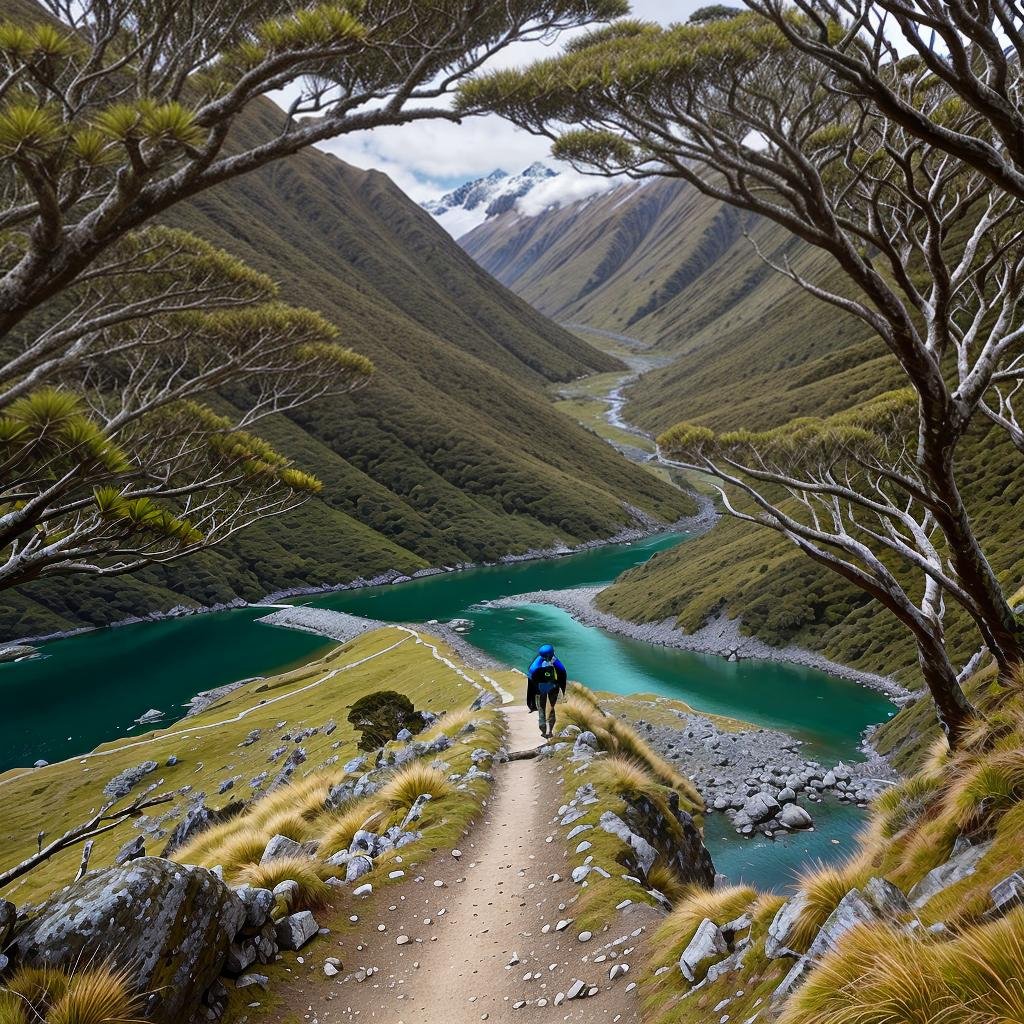
When it comes to hiking, few places on Earth can rival the natural beauty and diverse landscapes that New Zealand has to offer. From rugged mountains to pristine beaches, lush rainforests to tranquil lakes, this country is a paradise for outdoor enthusiasts and adventure seekers. In this article, we’ll explore the top ten hiking trails that showcase the breathtaking beauty of New Zealand’s wilderness.
1. Tongariro Alpine Crossing
Difficulty: Challenging
Distance: 19.4 km (12 miles)
Duration: 6-8 hours
The Tongariro Alpine Crossing is often referred to as one of the best day hikes in the world. Located in Tongariro National Park, this trail offers a mesmerizing blend of volcanic landscapes, emerald lakes, and sweeping panoramas. The challenging terrain rewards hikers with views of Mount Ngauruhoe, also known as Mount Doom from “The Lord of the Rings” series.
2. Milford Track
Difficulty: Moderate
Distance: 53.5 km (33.2 miles)
Duration: 4 days
The Milford Track is a world-renowned multi-day hike that takes you through the heart of Fiordland National Park. With its stunning fjords, ancient rainforests, and cascading waterfalls, this trail is a must for those seeking a true wilderness experience. The trail culminates at Milford Sound, one of New Zealand’s most iconic natural wonders.
3. Kepler Track
Difficulty: Moderate
Distance: 60 km (37.3 miles)
Duration: 3-4 days
Also situated in Fiordland National Park, the Kepler Track offers a slightly easier alternative to the Milford Track. Hikers can expect lush beech forests, alpine meadows, and panoramic views of lakes and mountains. The trail is well-maintained and provides a diverse range of landscapes in a shorter timeframe.
4. Abel Tasman Coast Track
Difficulty: Easy
Distance: 60 km (37.3 miles)
Duration: 3-5 days
For those looking for a more leisurely coastal trek, the Abel Tasman Coast Track is an excellent choice. This trail winds along golden beaches, crystal-clear waters, and verdant forests. The relatively gentle terrain makes it suitable for hikers of all fitness levels, and the option to kayak or take water taxis adds an extra layer of adventure.
5. Routeburn Track
Difficulty: Moderate to Challenging
Distance: 32 km (19.9 miles)
Duration: 2-4 days
Connecting Fiordland and Mount Aspiring National Parks, the Routeburn Track offers an unforgettable journey through diverse landscapes. From alpine meadows to snow-capped peaks, this trail is a photographer’s dream. Hikers can also opt for side trips to explore hidden valleys and summits.
6. Heaphy Track
Difficulty: Easy to Moderate
Distance: 78.4 km (48.7 miles)
Duration: 4-6 days
The Heaphy Track on the South Island’s West Coast showcases a wide range of ecosystems, from lush rainforests to expansive tussock grasslands. This trail is known for its solitude and the opportunity to spot unique native wildlife. The relatively gentle gradients make it suitable for both hikers and mountain bikers.
7. Rakiura Track
Difficulty: Easy
Distance: 32 km (19.9 miles)
Duration: 3 days
Located on Stewart Island, the Rakiura Track offers a chance to immerse yourself in a pristine natural environment. Dense forests, serene beaches, and chances to see native birds like kiwis await along the trail. The track is relatively easy, making it accessible for a wide range of hikers.
8. Hollyford Track
Difficulty: Moderate
Distance: 56 km (34.8 miles)
Duration: 4 days
Venture into the remote and untouched Fiordland wilderness with the Hollyford Track. This trail combines spectacular scenery with rich human history, as it follows the path of Maori and early European explorers. Waterfalls, ancient forests, and the stunning Lake McKerrow are just a few of the highlights.
9. Lake Waikaremoana Great Walk
Difficulty: Moderate
Distance: 46 km (28.6 miles)
Duration: 3-4 days
Situated in Te Urewera National Park, the Lake Waikaremoana Great Walk takes you around the pristine shores of Lake Waikaremoana. The trail leads through dense rainforests, across high ridges, and to breathtaking viewpoints. The lake itself holds cultural significance for the Maori people, adding depth to the experience.
10. Paparoa Track
Difficulty: Moderate to Challenging
Distance: 55 km (34.2 miles)
Duration: 3 days
This relatively new addition to New Zealand’s Great Walks system offers a unique journey through the Paparoa Range. The track takes you through diverse landscapes, including limestone canyons and lush rainforests. The trail is also home to the famous Pancake Rocks, a natural rock formation on the West Coast.
Conclusion
New Zealand’s hiking trails are a treasure trove of natural wonders, offering a diverse range of experiences for hikers of all skill levels. From challenging alpine treks to gentle coastal walks, the country’s landscapes never fail to leave a lasting impression. Whether you’re a nature enthusiast, a photography buff, or simply seeking a getaway into the wilderness, New Zealand’s hiking havens have something to offer for everyone.
FAQs
Q1: Do I need hiking experience to tackle these trails?
A1: The difficulty levels of these trails vary, but many offer options for both novice and experienced hikers. It’s important to choose a trail that matches your fitness level and experience. Some easier trails, like the Abel Tasman Coast Track, are suitable for beginners, while challenging trails like the Tongariro Alpine Crossing require more hiking experience.
Q2: What is the best time of year to hike in New Zealand?
A2: The hiking season in New Zealand generally spans from October to April, which is spring to autumn in the Southern Hemisphere. The weather is more stable during these months, making it ideal for trekking. However, weather conditions can still change rapidly, so it’s important to be prepared for various conditions.
Q3: Are permits required for these trails?
A3: Some trails, especially those within national parks, may require permits, especially during the peak hiking season. It’s advisable to check with the Department of Conservation (DOC) or the relevant authorities before embarking on your hike. Permits help manage trail traffic and ensure the preservation of these natural environments.
Q4: Can I camp along these trails?
A4: Many of these trails offer designated campsites along the way. Some require advance booking due to their popularity. Campsites provide basic facilities like toilets and water sources. However, be sure to follow Leave No Trace principles and respect the environment while camping.
Q5: Are guided tours available for these trails?
A5: Yes, guided tours are available for most of these trails. Guided tours can offer valuable insights into the natural and cultural history of the area. They also handle logistics such as transportation, accommodations, and meals, allowing you to focus solely on enjoying the hike.
Q6: What should I pack for a hiking trip in New Zealand?
A6: Essential items include sturdy hiking boots, waterproof clothing, layers for changing weather, a map, a first aid kit, a hat, sunscreen, insect repellent, and plenty of water and snacks. The specific gear you need may vary depending on the trail and season, so do thorough research before your trip.
Q7: Are there any safety precautions I should be aware of?
A7: Safety is paramount while hiking in New Zealand. Always check the weather forecast before setting out, inform someone of your plans, stay on designated trails, and follow any instructions from trail markers. New Zealand’s weather can be unpredictable, so it’s crucial to be prepared for sudden changes.
Q8: Can I hike solo or is it recommended to hike with a group?
A8: Both solo hiking and hiking in a group have their pros and cons. Hiking with a group can enhance safety and provide companionship, especially on remote trails. Solo hiking offers solitude and the freedom to set your own pace. If hiking solo, make sure to follow safety guidelines and inform someone of your plans.
Q9: Are these trails suitable for families with children?
A9: Some trails, like the Abel Tasman Coast Track and Rakiura Track, are more family-friendly due to their easy terrain and shorter distances. However, it’s essential to consider the fitness levels and interests of your family members. Always prioritize safety and choose trails that are appropriate for your group.
Q10: How do I reach the trailheads for these hikes?
A10: Trailhead access varies depending on the trail’s location. Some trailheads are accessible by public transportation, while others may require private transportation. Research the specific trail you plan to hike and determine the best mode of transportation to reach the starting point.