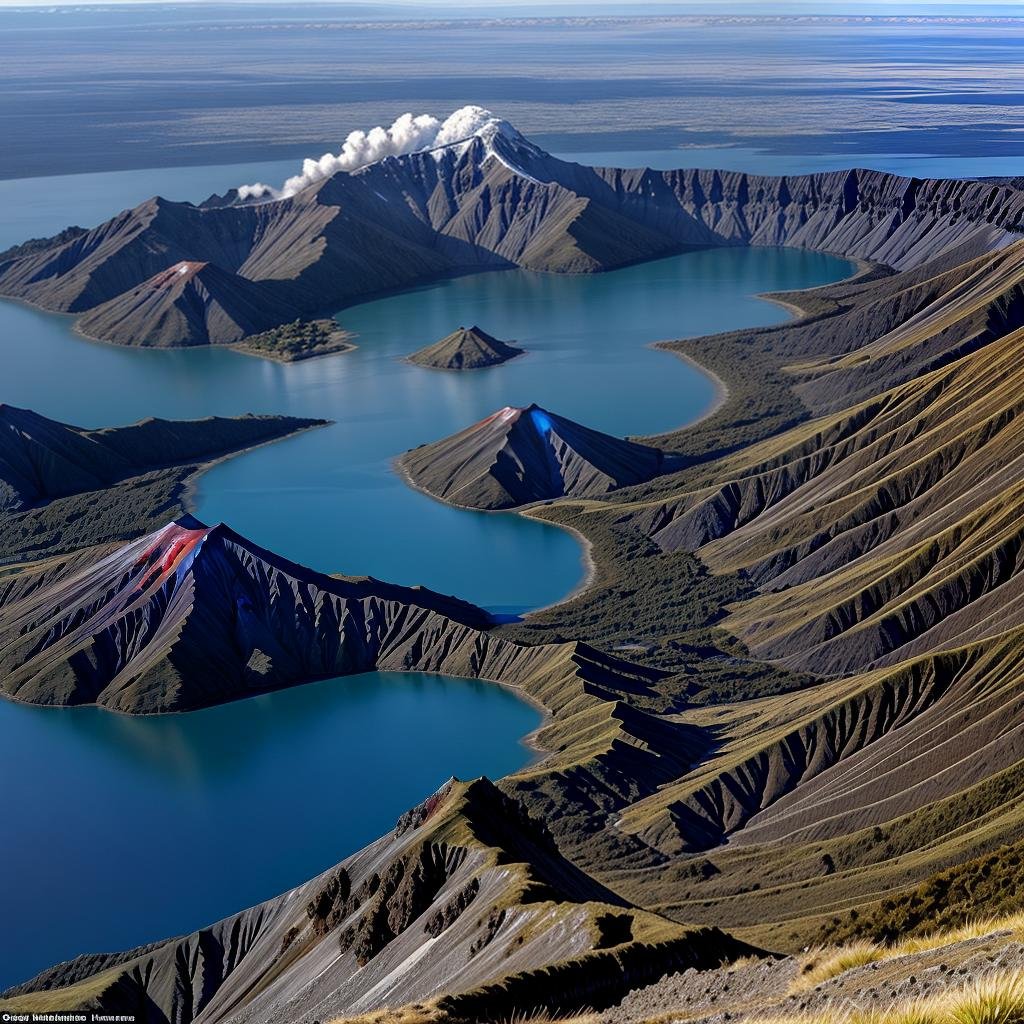
New Zealand, a land of stunning landscapes and natural wonders, is famously known for its geothermal activity and majestic volcanoes. These towering giants not only shape the country’s dramatic scenery but also hold significant cultural and historical importance for the indigenous Māori people. From active vents to dormant craters, the volcanic landscapes of New Zealand offer a unique opportunity to witness the raw power of nature. In this article, we’ll explore the top ten volcanoes that you must absolutely marvel at during your visit to this captivating island nation.
1. Mount Ruapehu
As the tallest active volcano in New Zealand’s North Island, Mount Ruapehu is a sight to behold. Its snow-covered peak and expansive crater lake draw visitors year-round. The mountain is a hub for outdoor enthusiasts, offering skiing, snowboarding, and hiking opportunities. The vibrant blue waters of the crater lake contrast beautifully with the snowy surroundings.
2. Tongariro Volcano
Located in the same volcanic complex as Mount Ruapehu, Tongariro is renowned for its diverse landscapes. The Tongariro Alpine Crossing is a famous trek that takes hikers past emerald lakes, steaming vents, and rugged terrain. The Red Crater, a vividly colored basin, is a highlight of this hike, offering panoramic views of the surrounding volcanoes.
3. Mount Taranaki
Rising dramatically from the lush Taranaki region, this dormant stratovolcano is often compared to Japan’s Mount Fuji due to its symmetrical cone shape. The Pouakai Crossing showcases the mountain’s beauty, taking trekkers through alpine meadows and forests with breathtaking views of both Mount Taranaki and the coastline.
4. White Island
White Island, or Whakaari, is New Zealand’s most active marine volcano. Situated in the Bay of Plenty, this volcanic island is accessible by boat or helicopter. Visitors can witness steaming vents, bubbling mud pools, and the otherworldly landscape of a live volcanic environment. It’s a rare opportunity to witness the dynamic forces that shape our planet.
5. Mount Ngauruhoe
Also known as Mount Doom in the “Lord of the Rings” films, Mount Ngauruhoe is another cone-shaped beauty in Tongariro National Park. While climbing to the summit requires a challenging scramble, the stunning views of the park’s other volcanoes and surrounding landscapes are more than worth the effort.
6. Mount Tarawera
Famous for its devastating eruption in the late 19th century, Mount Tarawera’s eruption drastically changed the surrounding landscape. Today, visitors can explore the Waimangu Volcanic Valley to witness the aftermath of the eruption, including geothermal features and vibrant, mineral-rich pools.
7. Mount Rangitoto
A short ferry ride from Auckland takes you to the unique volcanic island of Rangitoto. This shield volcano showcases its symmetrical shape, covered in lush vegetation. A hike to the summit rewards adventurers with panoramic views of Auckland’s skyline and the Hauraki Gulf.
8. Mount Eden
Situated right in the heart of Auckland, Mount Eden offers a convenient opportunity to experience a volcanic landscape. The crater at the summit has evolved into a grassy bowl, providing a peaceful escape from the urban bustle while offering a glimpse into the city’s geological history.
9. Mount Maunganui
Though technically a dormant volcano, Mount Maunganui is a popular destination for beach lovers and hikers alike. The hike to the summit rewards visitors with stunning views of the surrounding coastline, the expansive Pacific Ocean, and the town below.
10. Ruapekapeka Pā
While not a traditional volcano, Ruapekapeka Pā holds immense historical significance. It was the site of one of the most important battles during the New Zealand Wars in the 19th century. The earthwork fortifications and trenches are a testament to the strategic prowess of Māori warriors during that time.
Conclusion
New Zealand’s volcanic landscapes are nothing short of awe-inspiring. From active craters to dormant cones, these geological marvels showcase the raw power and beauty of Earth’s natural forces. Whether you’re a thrill-seeking adventurer or a history buff, the country’s volcanoes offer a unique opportunity to explore both the natural and cultural history of this captivating nation.
FAQs (Frequently Asked Questions)
Q1: Are these volcanoes safe to visit?
A1: Most of the volcanoes listed are safe to visit, but it’s important to check for any travel advisories or restrictions before planning your trip. Some volcanoes, like White Island, have areas that are restricted due to ongoing volcanic activity.
Q2: Can I hike to the summit of all these volcanoes?
A2: While many of these volcanoes have hiking trails leading to their summits, the level of difficulty varies. Some hikes, like those to the summits of Mount Ngauruhoe and Mount Ruapehu, can be challenging and may require a good level of fitness and hiking experience.
Q3: Are guided tours available for these volcanic sites?
A3: Yes, guided tours are available for most of these volcanic sites. These tours often provide valuable insights into the geological and cultural history of the area. For safety reasons, it’s recommended to consider guided tours, especially for more remote or active volcanic locations.
Q4: Are there any cultural considerations when visiting these sites?
A4: Yes, many of these volcanic sites hold cultural significance for the Māori people. It’s important to show respect for the land and its history by following any guidelines or protocols in place. Learning about the cultural stories associated with these volcanoes can enhance your experience.
Q5: Is there a best time to visit these volcanic sites?
A5: The best time to visit may vary depending on the specific site and your interests. Summer (December to February) generally offers the best weather for hiking and outdoor activities, but popular sites can be busier during this time. Spring and autumn can also be great times to visit for milder weather and fewer crowds.
Q6: Can I visit active volcanic sites like White Island?
A6: Yes, you can visit active volcanic sites like White Island, but it’s important to do so with proper guidance and safety measures. Tours to such sites are usually led by experienced guides who are knowledgeable about the current conditions and safety protocols.
Q7: Are there accommodations available near these volcanic sites?
A7: Yes, many of these volcanic sites are located near towns or cities that offer a range of accommodations, from hotels to camping options. It’s a good idea to book accommodations in advance, especially during peak tourist seasons.
Q8: Are these volcanic sites suitable for families with children?
A8: Some volcanic sites, like Mount Eden and Mount Maunganui, are more family-friendly and accessible. Others, especially those with challenging hikes or potential hazards, may be better suited for older children or adults. Always prioritize safety and choose sites that match your family’s capabilities.
Q9: Can I learn about the geological history of these volcanoes on-site?
A9: Yes, many of these sites provide information boards, signs, and sometimes guided tours that offer insights into the geological processes that formed these volcanoes. It’s a great opportunity to learn about the fascinating history of New Zealand’s volcanic landscapes.
Q10: Are there any volcanic sites not mentioned in this list?
A10: While this list covers ten prominent volcanic sites in New Zealand, there are other volcanic areas worth exploring as well. The country’s dynamic geological history has left its mark on various regions, each with its own unique features and stories to tell.