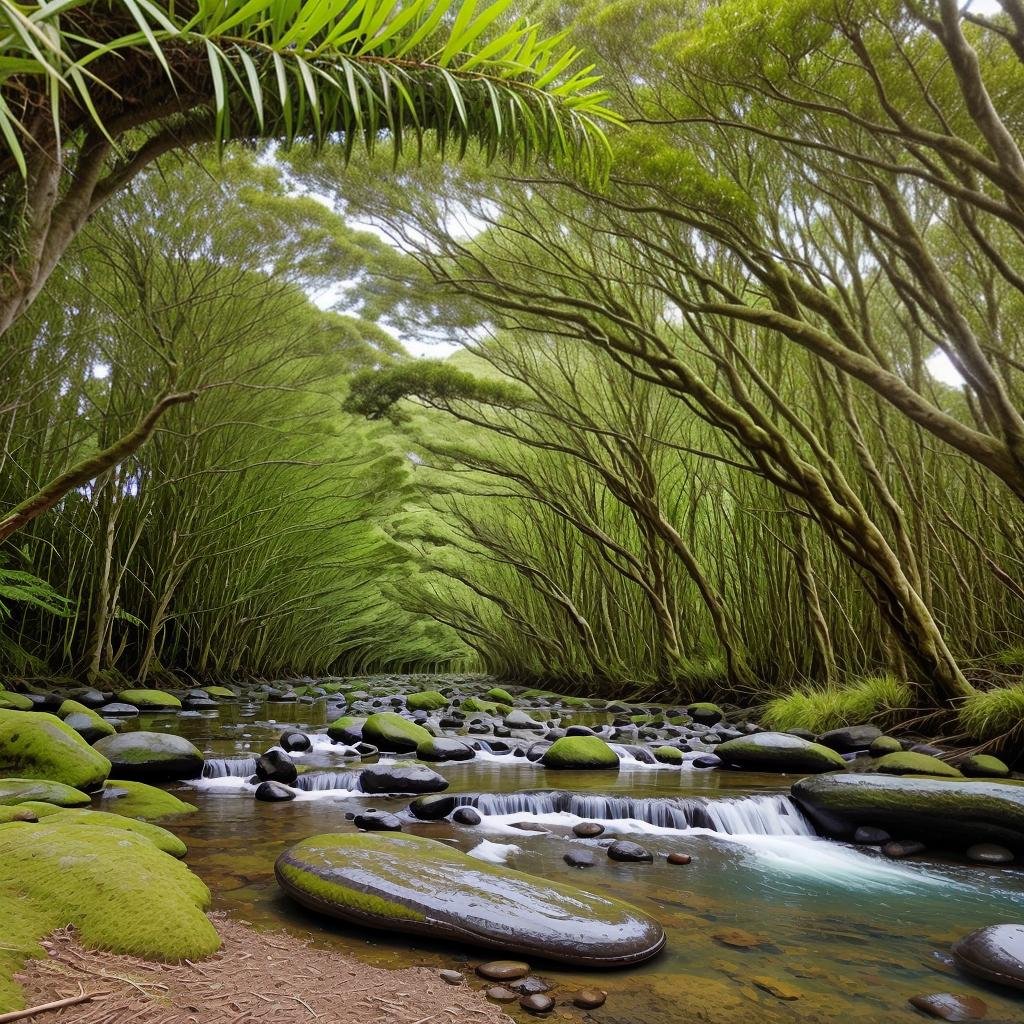
New Zealand, with its stunning landscapes, diverse ecosystems, and commitment to sustainability, is a prime destination for eco-centric education. From rugged mountains to pristine beaches, this island nation offers a wealth of opportunities for individuals seeking to learn about the environment and engage in conservation efforts. In this blog post, we’ll explore the top ten eco-centric learning experiences in New Zealand, showcasing the country’s dedication to environmental education and preservation.
1. Wildlife Encounters in Kaikoura
Kaikoura, located on New Zealand’s South Island, is a haven for marine wildlife enthusiasts. Here, you can join eco-tours that provide the opportunity to spot dolphins, whales, seals, and a variety of seabirds. These encounters not only offer thrilling experiences but also emphasize the importance of preserving the marine environment.
2. Environmental Workshops at Zealandia
Zealandia, a groundbreaking eco-sanctuary in Wellington, is an ideal place to deepen your understanding of New Zealand’s native flora and fauna. They offer a range of workshops and guided tours that focus on ecological restoration and conservation practices.
3. Rural Sustainability Immersion in Matamata
The Shire’s Rest in Matamata, famous for being the filming location of Hobbiton in the Lord of the Rings trilogy, now serves as a hub for sustainable farming education. Visitors can learn about organic farming, renewable energy, and permaculture techniques.
4. Tongariro National Park: Hiking and Geology
Tongariro National Park, a UNESCO World Heritage site, offers exceptional opportunities for learning about geology and ecology. You can hike the Tongariro Alpine Crossing while understanding the park’s volcanic history and ecological significance.
5. Eco-Tourism in Abel Tasman National Park
Abel Tasman National Park, located at the northern tip of the South Island, is perfect for eco-tourism. Sea kayaking, hiking, and guided tours introduce visitors to the park’s diverse ecosystems, including lush forests and pristine beaches.
6. Conservation Volunteering on Stewart Island
Stewart Island, located south of New Zealand’s South Island, is an untouched wilderness. Join a conservation volunteering program to contribute to essential restoration projects and immerse yourself in the island’s unique environment.
7. Cultural and Environmental Learning at Te Papa
Te Papa, the national museum of New Zealand in Wellington, combines culture and environmental education. Exhibits on Maori culture, natural history, and climate change provide a holistic view of the nation’s heritage and environmental challenges.
8. Eco-Cruises in Fiordland National Park
Fiordland National Park, with its dramatic fjords and waterfalls, is best explored through eco-cruises. These guided trips not only showcase the park’s natural beauty but also educate participants about its fragile ecosystem.
9. Wine and Sustainable Agriculture in Marlborough
Marlborough, New Zealand’s premier wine region, offers more than just delicious wines. Many wineries in the area are committed to sustainable agriculture practices, and you can take tours to learn about their eco-friendly viticulture methods.
10. Sustainable Tourism in Rotorua
Rotorua is famous for its geothermal wonders, but it’s also a hub for sustainable tourism. Learn about Maori culture, geothermal energy, and eco-friendly tourism practices in this vibrant city.
Conclusion
New Zealand’s commitment to eco-education is evident in the diverse range of learning experiences it offers. Whether you’re interested in marine life, ecology, sustainable farming, or cultural and environmental history, this island nation has something to offer. These ten eco-centric learning experiences provide not only valuable knowledge but also a deep appreciation for New Zealand’s unique environment and a sense of responsibility for its conservation.
FAQs
1. Is New Zealand a good destination for eco-education?
Absolutely! New Zealand’s stunning landscapes and commitment to sustainability make it an excellent destination for eco-education. With a wide range of learning experiences, from wildlife encounters to sustainable farming, you’ll find plenty of opportunities to learn about the environment.
2. Are these learning experiences suitable for all ages?
Most of the learning experiences mentioned in this article are suitable for all ages, although some may have age restrictions for certain activities. It’s essential to check with individual providers for specific age requirements.
3. How can I get involved in conservation volunteering on Stewart Island?
To get involved in conservation volunteering on Stewart Island, you can contact local conservation organizations or check for volunteer opportunities online. There are programs that offer accommodation and meals in exchange for your help with conservation projects.
4. Are these learning experiences expensive?
The cost of these learning experiences can vary widely depending on the activity and the provider. Some, like eco-tours, may be more expensive, while others, such as conservation volunteering, can be more budget-friendly. It’s advisable to research and compare prices before booking.
5. Are there any eco-education options for school groups or educational institutions?
Yes, many of the learning experiences mentioned in this article offer group rates and educational packages suitable for school groups or educational institutions. Contact the providers directly to inquire about group bookings and tailored educational programs.