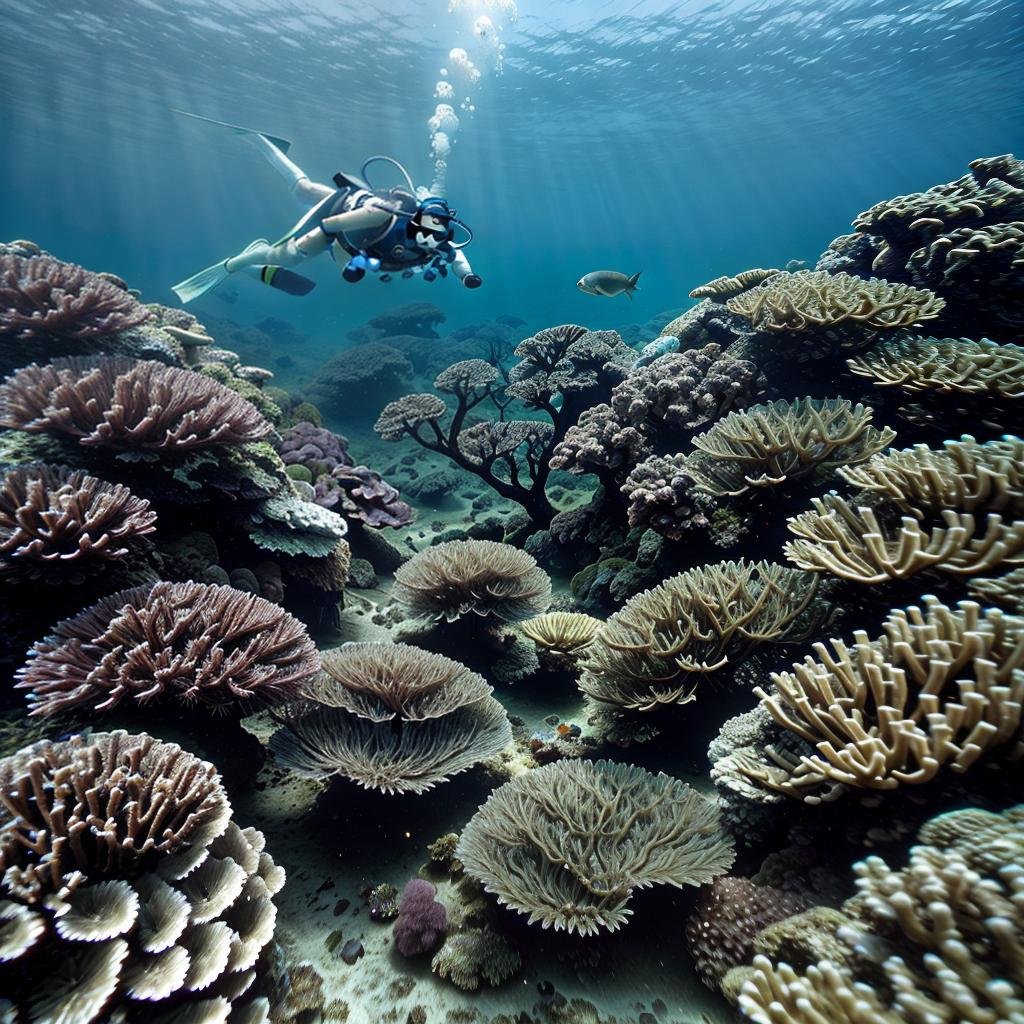
New Zealand’s underwater world is a realm of awe-inspiring beauty and unparalleled diversity. With its pristine waters and unique ecosystems, this island nation is home to an array of marine species that captivate the hearts of divers, researchers, and nature enthusiasts alike. From vibrant corals to elusive giants of the deep, let’s take a plunge into the depths and explore the top ten underwater species that make New Zealand’s oceans truly extraordinary.
1. Hector’s Dolphin (Cephalorhynchus hectori)
Size: 1.2-1.4 meters
Habitat: Coastal waters
Distinctive Feature: Rounded dorsal fin
Hector’s dolphin, the world’s smallest and rarest dolphin, is an icon of New Zealand’s marine biodiversity. With its friendly demeanor and unique markings, it is often referred to as the “smiling dolphin.” These playful creatures are commonly found in the country’s coastal waters and harbor areas, making encounters with them a cherished experience for divers and tourists alike.
2. Black Coral (Antipatharia)
Habitat: Deep-sea environments
Distinctive Feature: Dark-colored skeleton
Found in the cold, dark depths of New Zealand’s waters, black coral is a sight to behold. These stunning organisms form intricate colonies that resemble delicate lacework. The slow-growing nature of black coral makes their preservation crucial, as they can be centuries old.
3. New Zealand Sea Lion (Phocarctos hookeri)
Size: Up to 3 meters
Habitat: Sub-Antarctic islands
Distinctive Feature: Prominent mane (in males)
The New Zealand sea lion, endemic to the country, is one of the rarest and most endangered sea lion species globally. Diving in the sub-Antarctic waters offers a chance to witness these majestic creatures in their natural habitat, basking on rocky shores or gracefully gliding through the ocean.
4. Spotted Black Groper (Achoerodus gouldii)
Size: Up to 1.5 meters
Habitat: Rocky reefs
Distinctive Feature: Spots on its body
This charismatic fish, also known as “āpuka” in Māori, is a favorite among divers due to its curious nature. The spotted black groper’s striking appearance, with its dark body adorned with white spots, makes encounters with this gentle giant an unforgettable experience.
5. Sperm Whale (Physeter macrocephalus)
Size: Up to 20 meters
Habitat: Deep waters
Distinctive Feature: Enormous head
The iconic sperm whale is a frequent visitor to New Zealand’s oceans. These colossal creatures are famous for their deep-diving capabilities and are often spotted off the coast. Their distinctive blow and enormous heads create an indelible image against the backdrop of the open sea.
6. Māui Dolphin (Cephalorhynchus hectori maui)
Size: 1.2-1.4 meters
Habitat: Shallow coastal waters
Distinctive Feature: Small population
The Māui dolphin is the world’s most endangered dolphin species, with a population of around 60 individuals. Their playful antics and distinctive dorsal fin make them a sought-after sighting for divers fortunate enough to encounter them.
7. Green-Lipped Mussel (Perna canaliculus)
Habitat: Coastal waters
Distinctive Feature: Green edges
Renowned not only for their unique taste but also for their ecological importance, the green-lipped mussel is a staple of New Zealand’s marine ecosystems. These bivalves play a crucial role in maintaining water quality and providing habitat for various species.
8. Leafy Seadragon (Phycodurus eques)
Size: Up to 35 centimeters
Habitat: Coastal waters with kelp
Distinctive Feature: Elaborate camouflage
While not exclusive to New Zealand, the leafy seadragon is a master of disguise. Its intricate leaf-like appendages help it blend seamlessly into its surroundings. Diving in kelp-rich areas provides a chance to spot this remarkable creature.
9. Giant Squid (Architeuthis dux)
Size: Up to 13 meters
Habitat: Deep waters
Distinctive Feature: Enormous size
The elusive giant squid has fascinated humanity for centuries. While encounters are rare due to their preference for the deep ocean, studying these colossal invertebrates has shed light on the mysteries of the ocean’s depths.
10. Blue Cod (Parapercis colias)
Size: Up to 75 centimeters
Habitat: Coastal waters
Distinctive Feature: Vibrant blue coloration
The blue cod’s striking blue hue and curious nature make it a popular sight for divers exploring New Zealand’s coastal waters. With their distinctive appearance and important role in the local fishing industry, they are a testament to the country’s marine biodiversity.
Conclusion
Diving into the underwater world of New Zealand is an adventure like no other. From the enchanting smiles of Hector’s dolphins to the mysterious depths inhabited by giant squids, the country’s oceans hold a treasure trove of biodiversity waiting to be explored. As divers and conservationists, it’s our privilege to witness these species in their natural habitats and work tirelessly to protect them for generations to come.
FAQs
Q1: Are encounters with the Māui dolphin common?
Encounters with the Māui dolphin are exceedingly rare due to their critically low population. They primarily inhabit shallow coastal waters, making sightings challenging even for experienced divers.
Q2: What is the best time to spot the New Zealand sea lion?
The best time to spot New Zealand sea lions is during their breeding season, which typically occurs from November to January. During this time, they gather on sub-Antarctic islands, offering a unique opportunity to observe them.
Q3: Are there any organized tours to see the giant squid?
Due to the deep-sea habitat of giant squids, there are currently no organized tours specifically aimed at encountering them. Most sightings of giant squids occur through scientific research or chance encounters by deep-sea exploration vessels.
Q4: Are there any regulations in place to protect these species?
Yes, New Zealand has various regulations and conservation efforts in place to protect its marine species. These include marine reserves, fishing quotas, and initiatives to reduce human impact on marine environments.
Q5: Can I dive with a professional guide to see these species?
Absolutely! Many diving operators in New Zealand offer guided tours to explore the underwater wonders and encounter these species safely and responsibly. It’s advisable to choose operators with a strong commitment to marine conservation.
Q6: How can I contribute to the conservation of these species?
Contributing to marine conservation can be done through supporting local conservation organizations, participating in beach cleanups, advocating for sustainable fishing practices, and raising awareness about the importance of protecting marine biodiversity.