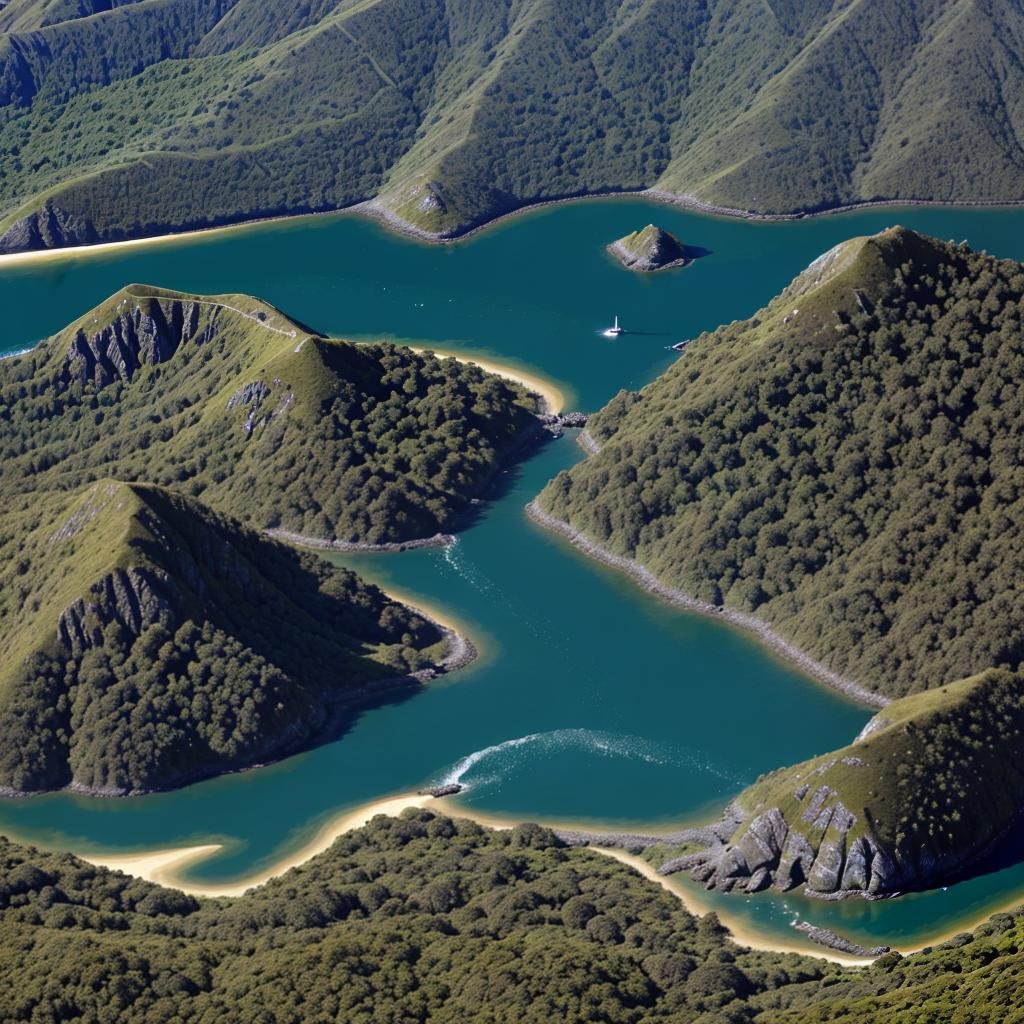
New Zealand’s natural beauty is world-renowned, from its majestic mountains to its pristine beaches. But what truly sets this island nation apart is its commitment to conservation and protecting its unique biodiversity. With a stunning array of native flora and fauna, New Zealand has established some remarkable wildlife sanctuaries that are not only a testament to its conservation efforts but also a must-visit for nature enthusiasts. In this article, we’ll take you on a virtual tour of the top ten wildlife sanctuaries in New Zealand.
1. Zealandia: The World’s First Fully-Fenced Urban Ecosanctuary
Location: Wellington, North Island
Our journey begins in the heart of New Zealand’s capital city, Wellington, where Zealandia stands as a testament to urban conservation. This groundbreaking ecosanctuary is home to some of New Zealand’s rarest native species, including the tuatara, kaka, and hihi. Its predator-proof fence keeps invasive species at bay, allowing the native wildlife to thrive.
2. Tiritiri Matangi Island: A Birdwatcher’s Paradise
Location: Hauraki Gulf, North Island
Tiritiri Matangi Island is a sanctuary that has been lovingly restored to its natural state. A ferry ride from Auckland transports you to a haven for birdwatchers. It’s home to the charming little blue penguin, North Island kaka, and the delightful takahe. Guided tours provide insights into the island’s ecological restoration efforts.
3. Orokonui Ecosanctuary: A Biodiversity Hotspot
Location: Dunedin, South Island
Nestled in the South Island’s picturesque Dunedin, Orokonui Ecosanctuary showcases the South Island robin, kaka, and the endangered kiwi. Walking trails offer a chance to immerse yourself in native forests, while knowledgeable guides shed light on the conservation efforts that are helping these unique species make a comeback.
4. Pūkaha National Wildlife Centre: Kiwi Conservation Central
Location: Wairarapa, North Island
Pūkaha is a vital player in kiwi conservation, with a successful breeding program that aids the recovery of these iconic birds. Visitors can witness the nocturnal kiwi in a specially designed nocturnal house and learn about the center’s tireless efforts to protect other endangered species, like the kokako.
5. Ulva Island: A Pristine Wilderness
Location: Stewart Island, South Island
Ulva Island, nestled off Stewart Island’s coast, is a pristine wilderness that transports you back in time to New Zealand’s pre-human past. This predator-free island teems with native birdlife, including the South Island saddleback and the Stewart Island robin. Guided tours make for an informative and memorable experience.
6. Maungatautari Ecological Island: A Pest-Free Paradise
Location: Waikato, North Island
Maungatautari Ecological Island is a testament to New Zealand’s commitment to pest eradication. Surrounded by a massive pest-proof fence, this sanctuary provides a safe haven for native species like the hihi and the kokako. With walking tracks and guided tours, it’s a perfect spot for eco-conscious hikers.
7. Cape Kidnappers Gannet Reserve: A Seaside Sanctuary
Location: Hawke’s Bay, North Island
While not a traditional wildlife sanctuary, Cape Kidnappers Gannet Reserve is a must-visit for seabird enthusiasts. The cape is home to the world’s largest mainland gannet colony. Guided tours offer an up-close look at these magnificent birds and the stunning coastal landscape.
8. Whale Watch Kaikoura: Encounters with Giants
Location: Kaikoura, South Island
Kaikoura is renowned for its marine life, and Whale Watch Kaikoura offers a unique opportunity to encounter giant cetaceans like sperm whales and humpbacks. The company is dedicated to responsible and sustainable tourism, making it a fantastic option for wildlife lovers.
9. Marae Moana Marine Park: Protecting Oceanic Wonders
Location: Cook Islands
While not in New Zealand proper, the Marae Moana Marine Park deserves mention for its conservation efforts in the South Pacific. This vast marine sanctuary aims to protect the rich biodiversity of the Cook Islands’ oceans, including coral reefs, fish, and sea turtles.
10. Penguin Place: Guardians of the Little Blue Penguin
Location: Dunedin, South Island
Our final stop is Penguin Place, a conservation effort dedicated to the world’s smallest penguin species, the little blue penguin. Here, you can witness these endearing birds up close and learn about the threats they face and the measures being taken to protect them.
Conclusion
New Zealand’s commitment to conservation is showcased through these remarkable wildlife sanctuaries. Each one not only provides a safe haven for endangered species but also offers an educational and immersive experience for visitors. Whether you’re a bird enthusiast, a marine life lover, or simply someone who appreciates the beauty of nature, these sanctuaries have something special to offer.
As you plan your next trip to New Zealand, consider including a visit to one or more of these conservation crusaders in your itinerary. Your support helps ensure that these sanctuaries continue their vital work in preserving the nation’s unique and precious biodiversity.
FAQs (Frequently Asked Questions)
1. What is a wildlife sanctuary? A wildlife sanctuary is a protected area where native plants and animals are conserved and provided a safe environment to thrive. These areas often have measures in place to limit human interference and protect against invasive species.
2. Are these sanctuaries open to the public? Yes, most of the wildlife sanctuaries in New Zealand are open to the public. They offer guided tours, walking tracks, and educational programs to visitors interested in experiencing and learning about the native flora and fauna.
3. How can I support these wildlife sanctuaries’ conservation efforts? You can support these sanctuaries by visiting them, as your entrance fees often contribute to their conservation efforts. Additionally, many accept donations or offer membership programs that provide ongoing support for their work.
4. Can I volunteer at these sanctuaries? Some sanctuaries offer volunteer programs where you can actively participate in conservation efforts. Contact the specific sanctuary you’re interested in to inquire about volunteer opportunities.
5. What is the best time to visit these sanctuaries? The best time to visit these wildlife sanctuaries in New Zealand depends on your interests. Birdwatching is often best during the spring and summer months when many species are active. Marine wildlife encounters, like whale watching, can vary by season, so it’s best to check with the specific sanctuary for ideal visit times.
6. Are these sanctuaries suitable for families with children? Yes, many of these sanctuaries are family-friendly and offer educational programs and activities suitable for children. It’s a great way to introduce kids to the wonders of nature and conservation.
7. Do I need special permits to visit these sanctuaries? Generally, you don’t need special permits to visit these wildlife sanctuaries. However, it’s a good idea to check their websites or contact them in advance for information on opening hours, entrance fees, and any specific guidelines for visitors.