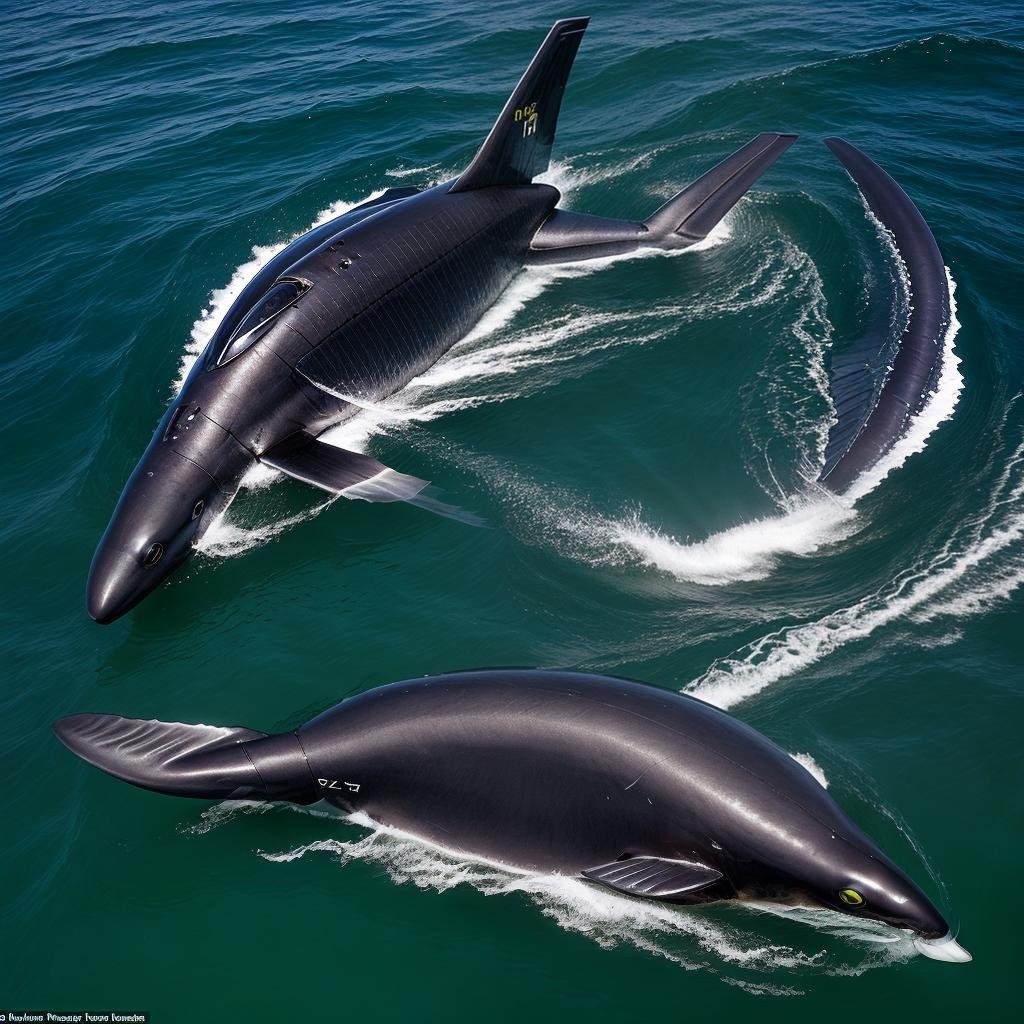
New Zealand’s pristine coastline and rich marine ecosystems offer an incredible opportunity for marine enthusiasts and nature lovers to witness an astounding array of marine life. From playful dolphins to majestic whales, the waters surrounding this island nation are teeming with remarkable creatures that captivate the hearts of both locals and tourists alike. In this article, we’ll take you on a journey through the top ten marine animals to spot in New Zealand, providing insights into their behaviors, habitats, and the best ways to catch a glimpse of them in their natural environment.
1. Hector’s Dolphin (Cephalorhynchus hectori)
Starting our list is the charming Hector’s dolphin, a small and rare species found only in New Zealand waters. These diminutive dolphins are known for their distinctive rounded dorsal fins and playful nature. The best places to encounter them include Akaroa Harbor and the Banks Peninsula.
2. Orca (Orcinus orca)
Orcas, or killer whales, are a symbol of power and intelligence in the marine world. While they are found in various oceans, the waters around New Zealand offer unique opportunities to witness their hunting techniques and social interactions. Kaikoura is a prime location for observing orcas in their natural habitat.
3. Sperm Whale (Physeter macrocephalus)
The largest of toothed whales, sperm whales are an iconic sight in New Zealand. The Kaikoura Canyon, with its deep underwater trench, attracts these gentle giants in search of food. Their distinctive blow and massive flukes make for awe-inspiring sightings.
4. Little Blue Penguin (Eudyptula minor)
The world’s smallest penguin, the little blue penguin, or kororā in Māori, is a delight to behold. These adorable creatures come ashore after a day of fishing and navigating the waves. Oamaru is a notable location to witness their evening return.
5. New Zealand Fur Seal (Arctocephalus forsteri)
The rocky coastlines of New Zealand serve as havens for the New Zealand fur seal. These sleek swimmers are often seen basking in the sun or playing in the surf. The Catlins and the South Island’s West Coast are fantastic places to catch sight of these seals.
6. Bottlenose Dolphin (Tursiops truncatus)
Bottlenose dolphins are known for their intelligence and acrobatic displays. In the Bay of Islands, you can join dolphin-watching tours that allow you to witness their joyful leaps and interactive behaviors up close.
7. Blue Penguin (Eudyptula minor)
Distinct from the little blue penguin, the aptly named blue penguin features stunning shades of blue in its plumage. The Otago Peninsula provides a chance to observe these penguins returning to their nests after a day of fishing.
8. Humpback Whale (Megaptera novaeangliae)
Known for their impressive breaching displays, humpback whales migrate through New Zealand waters, offering a thrilling spectacle for lucky onlookers. The coastline near Kaikoura is renowned for its humpback sightings.
9. Leopard Seal (Hydrurga leptonyx)
Visitors to the Subantarctic Islands or the Otago Peninsula might be fortunate enough to encounter the enigmatic leopard seal. With their striking spotted coats, these seals are a mesmerizing sight to behold.
10. Common Dolphin (Delphinus delphis)
As their name suggests, common dolphins are widespread in New Zealand waters. These energetic and sociable creatures are often spotted riding the bow waves of boats, providing an exhilarating experience for those lucky enough to witness it.
With each of these remarkable marine animals contributing to New Zealand’s unique biodiversity, it’s essential to approach their habitats with respect and conservation in mind. By observing these creatures responsibly and supporting efforts to protect their natural environments, we can ensure that future generations continue to marvel at their beauty.
Conclusion
New Zealand’s marine ecosystems offer a captivating glimpse into the world beneath the waves. From playful dolphins to majestic whales, the diverse range of marine animals that call these waters home is truly awe-inspiring. Whether you’re a dedicated marine enthusiast or simply someone who appreciates the wonders of nature, the opportunity to encounter these creatures up close is an experience that leaves a lasting impression.
So, if you find yourself in New Zealand, don’t miss the chance to embark on a marine adventure. From the North Island to the South, the coastal regions of this island nation are a haven for marine life enthusiasts. With proper guidance and a sense of wonder, you can create memories of breathtaking encounters with some of the world’s most extraordinary marine animals.
FAQs
Q1: Are there any restrictions or guidelines for observing marine animals in New Zealand?
A1: Yes, there are guidelines in place to ensure the safety and well-being of both visitors and marine animals. It’s crucial to maintain a safe distance and avoid disturbing the animals in their natural habitat. Joining guided tours led by experienced operators is recommended for responsible and educational encounters.
Q2: When is the best time to spot humpback whales in New Zealand?
A2: Humpback whales migrate along the New Zealand coastline during the winter and spring months, typically from June to November. The peak months for humpback sightings are usually between August and September.
Q3: Are there any conservation efforts in place to protect these marine animals?
A3: Absolutely. New Zealand places a strong emphasis on marine conservation. There are various organizations and initiatives dedicated to protecting marine ecosystems and the animals within them. Supporting these efforts through eco-friendly practices and responsible tourism can contribute to their preservation.
Q4: Are there any opportunities for swimming or diving with marine animals in New Zealand?
A4: Yes, there are select opportunities for swimming and diving experiences with marine animals, such as dolphins. These experiences are often regulated to minimize disturbance to the animals and their habitats. It’s important to choose operators that prioritize the animals’ welfare and follow ethical practices.
Q5: How can I learn more about New Zealand’s marine life before my trip?
A5: Before your trip, consider exploring resources provided by local marine research institutions, national parks, and wildlife organizations. Additionally, guidebooks and online resources can offer valuable insights into the species you’re likely to encounter and the best places to spot them.