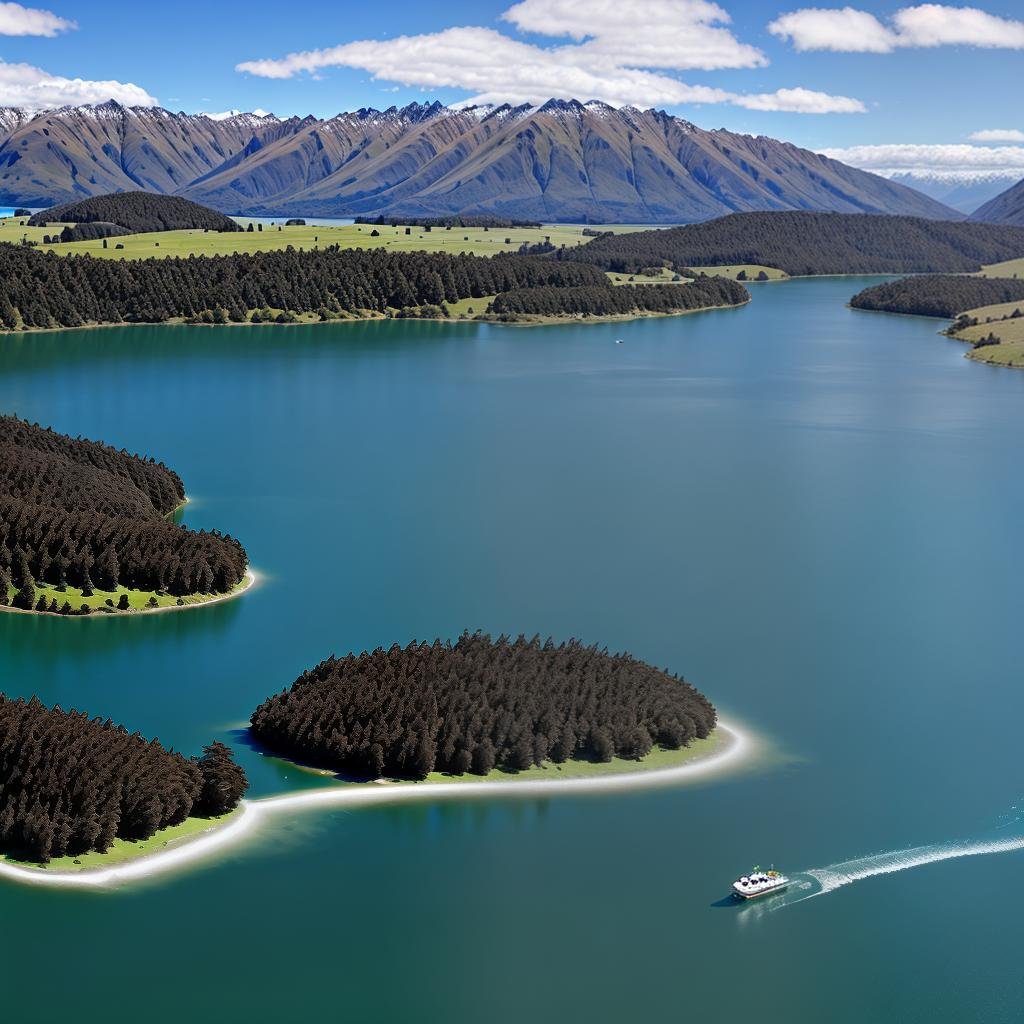
When it comes to stunning natural beauty and thrilling aquatic adventures, few places can rival the picturesque landscapes of New Zealand. With its pristine lakes surrounded by lush greenery and majestic mountains, this island nation offers a paradise for water enthusiasts. Whether you’re into kayaking, fishing, or simply basking in the serenity of calm waters, New Zealand’s lakes have something to offer for everyone. In this article, we’ll explore the top ten lakes in New Zealand that are perfect for water activities.
1. Lake Taupo
Location: North Island
Size: 238 square miles
Lake Taupo, the largest lake in New Zealand, is a haven for water enthusiasts. Its crystal-clear waters are perfect for fishing, boating, and jet skiing. The lake is also renowned for its trout fishing, making it a popular destination for anglers seeking a rewarding catch. For the adventurous, try skydiving over Lake Taupo for a breathtaking view that you’ll remember forever.
2. Lake Wanaka
Location: South Island
Size: 72 square miles
Nestled among the Southern Alps, Lake Wanaka offers a stunning backdrop for water activities. Kayaking and paddleboarding are popular choices here, allowing you to explore the calm waters while soaking in the breathtaking scenery. If you’re visiting in the winter, the lake serves as a gateway to nearby ski resorts, adding a unique dimension to your aquatic adventure.
3. Lake Wakatipu
Location: South Island
Size: 112 square miles
Surrounded by the dramatic landscapes of Queenstown, Lake Wakatipu is not only visually captivating but also offers a variety of water-based experiences. From thrilling jet boat rides to leisurely cruises on vintage steamships, the lake offers something for both adventure seekers and those looking for a more relaxed experience.
4. Lake Rotorua
Location: North Island
Size: 31 square miles
Known for its geothermal activity, Lake Rotorua combines natural beauty with unique experiences. While water activities like kayaking and fishing are popular, the lake’s geothermal hot spots offer the chance to relax in warm waters while taking in the stunning surroundings—a truly unique aquatic adventure.
5. Lake Tekapo
Location: South Island
Size: 32 square miles
Famed for its distinctive turquoise color, Lake Tekapo’s waters are sourced from glacial runoff, making them exceptionally clear. The lake is perfect for stargazing, and if you time your visit right, you might catch the mesmerizing sight of the Southern Lights. Canoeing and windsurfing are also popular options for enjoying this breathtaking location.
6. Lake Pukaki
Location: South Island
Size: 96 square miles
Adjacent to Aoraki Mount Cook, New Zealand’s tallest mountain, Lake Pukaki offers an awe-inspiring setting for aquatic adventures. The glacier-fed lake’s intense blue hues are a testament to its purity, making it an excellent location for kayaking and boating. With the majestic mountain as a backdrop, every water activity becomes a memorable experience.
7. Lake Hawea
Location: South Island
Size: 54 square miles
Lesser-known than its neighbor Lake Wanaka, Lake Hawea boasts tranquility and natural beauty. Fishing and boating are popular here, and the calm waters are ideal for swimming during the warmer months. The lakeside walking and biking tracks provide additional opportunities to explore the stunning scenery.
8. Lake Manapouri
Location: South Island
Size: 56 square miles
Situated in the Fiordland National Park, Lake Manapouri is known for its remote and untouched beauty. Kayaking and boating allow you to explore its hidden corners, while the surrounding rainforests and mountains create a magical backdrop for your aquatic adventures.
9. Lake Te Anau
Location: South Island
Size: 133 square miles
The largest lake in the South Island, Lake Te Anau, offers a playground for water enthusiasts. Cruise across the serene waters to the glowworm caves, or embark on a fishing expedition to catch some of New Zealand’s famed trout. The lake’s vast expanse ensures there’s plenty of room for everyone to enjoy their chosen water activity.
10. Lake Tarawera
Location: North Island
Size: 15 square miles
Situated in the Rotorua region, Lake Tarawera is known for its scenic beauty and recreational opportunities. Fishing, jet skiing, and kayaking are popular pastimes, and the lake’s thermal springs add an interesting twist to the experience, allowing you to relax in warm waters surrounded by nature.
Conclusion
New Zealand’s lakes are not just bodies of water; they are gateways to unforgettable aquatic adventures. Whether you’re seeking adrenaline-pumping activities or peaceful moments of reflection, the lakes of New Zealand provide a diverse range of experiences. From the expansive Lake Taupo to the captivating beauty of Lake Wanaka, each lake offers its unique charm and opportunities for exploration. So, gear up, dive in, and make the most of these aquatic wonders that New Zealand has to offer.
FAQs
Q1: Are these lakes suitable for families with children?
A1: Yes, many of these lakes offer family-friendly activities such as swimming, boating, and picnicking. However, always ensure safety measures are followed and children are supervised, especially during water activities.
Q2: Can I rent equipment for water activities at these lakes?
A2: Absolutely! Most lakeside towns and cities offer rental services for kayaks, paddleboards, boats, and fishing gear. You’ll have no trouble finding the equipment you need to enjoy your chosen water adventure.
Q3: Are there any restrictions on fishing in these lakes?
A3: Fishing regulations vary from lake to lake, so it’s important to check the local fishing regulations and obtain the necessary permits before casting your line. This helps preserve the ecosystem and ensures a sustainable fishing experience.
Q4: What is the best time to visit these lakes for water activities?
A4: The best time to visit depends on your preferences. Summer (December to February) offers warm weather and is ideal for swimming and water sports. Autumn (March to May) provides stunning foliage and fewer crowds. Winter (June to August) offers unique experiences like snow-capped mountains and stargazing. Spring (September to November) brings milder weather and blossoming landscapes.
Q5: Are there accommodations available near these lakes?
A5: Yes, most of these lakes have nearby accommodations, ranging from campsites and cabins to luxury resorts. Be sure to book your accommodations in advance, especially during peak tourist seasons.
Q6: Are there guided tours or activities available for tourists?
A6: Absolutely! Many lakes offer guided tours, cruises, and water-based activities led by experienced operators. These tours can enhance your experience by providing local insights and ensuring your safety.
Q7: Are the lakes open to non-motorized watercraft?
A7: Yes, most lakes allow non-motorized watercraft like kayaks, canoes, and paddleboards. However, it’s essential to respect any rules or guidelines set by local authorities.
Q8: Can I swim in these lakes?
A8: In most cases, swimming is allowed, but be aware of the water’s temperature and depth, and always prioritize safety. Some lakes might have areas designated for swimming due to changing water conditions.
Q9: Do I need any permits to access these lakes?
A9: Generally, there are no specific permits required to access the lakes themselves. However, as mentioned earlier, fishing permits might be necessary, and some conservation areas might require entrance fees.
Q10: How can I learn more about the cultural and natural significance of these lakes?
A10: Many lakes have nearby visitor centers or cultural institutions that provide information about the history, ecology, and cultural significance of the area. Engaging with local resources can deepen your appreciation for these aquatic treasures.