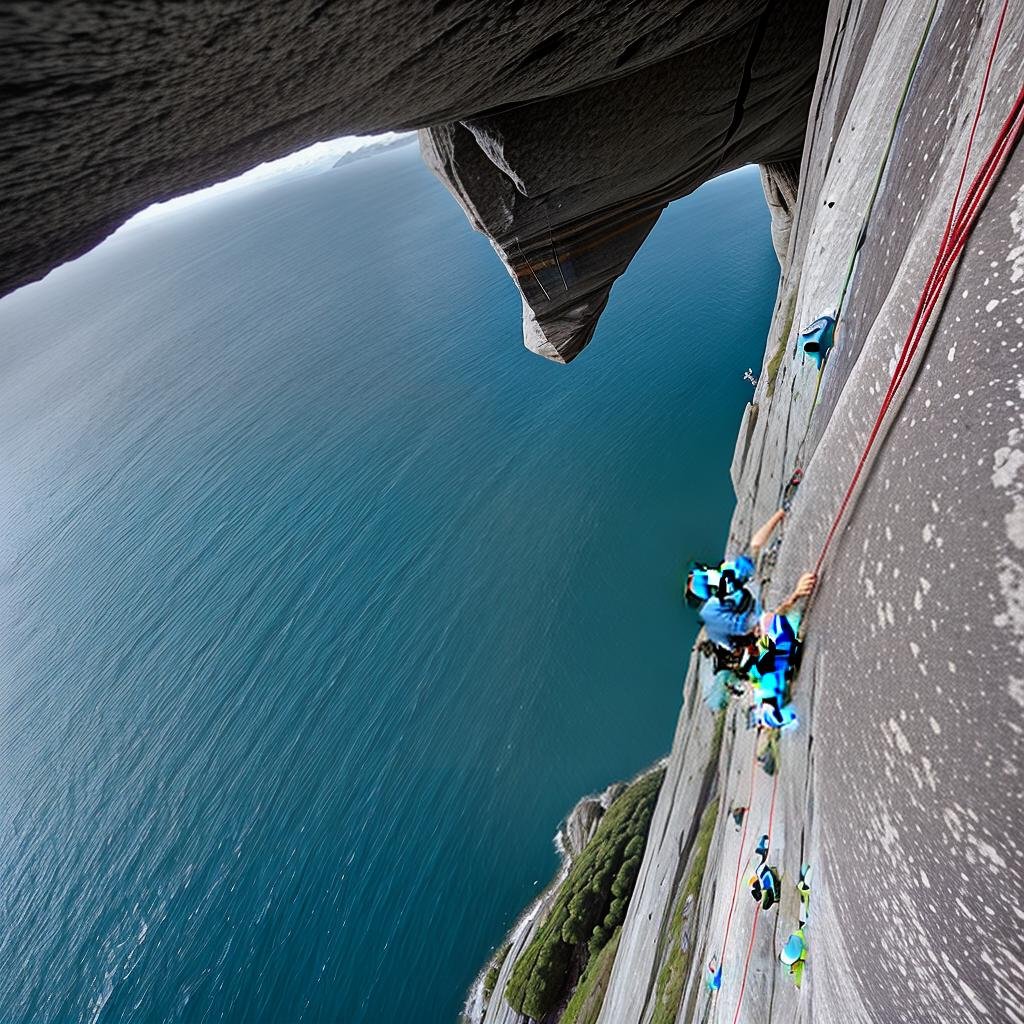
Rock climbing enthusiasts and adventure seekers, rejoice! New Zealand, with its stunning landscapes and diverse terrain, offers some of the most exhilarating rock climbing experiences in the world. From rugged mountains to towering cliffs, this island nation is a playground for climbers of all levels. In this article, we’ll take you on a virtual tour of the top ten rock climbing spots in New Zealand, each offering its unique challenges and breathtaking views.
1. Fiordland National Park – The Remarkables
Nestled within Fiordland National Park, The Remarkables provide a dramatic backdrop for rock climbers. With both traditional climbing routes and bouldering options available, climbers can choose their preferred style. The granite faces offer excellent friction and a range of difficulty levels, making it an ideal spot for both beginners and seasoned climbers.
2. Wanaka – Hospital Flat
Hospital Flat near Wanaka is a haven for rock climbers. Its limestone crags present an array of routes, from easy climbs for newcomers to more demanding challenges for experienced climbers. The picturesque surroundings and nearby Lake Wanaka make this spot a must-visit for climbing enthusiasts.
3. Wharepapa – Froggatt Edge
Wharepapa, known for its limestone cliffs, offers a variety of routes suitable for climbers of different skill levels. Froggatt Edge, in particular, boasts single-pitch climbs that provide stunning views of the lush countryside. The climbing community here is welcoming, and the well-maintained routes make it an appealing destination.
4. Castle Hill Basin
Famous for its gigantic limestone boulders, Castle Hill Basin offers a unique bouldering experience. Just an hour’s drive from Christchurch, this spot is perfect for those who enjoy climbing without ropes. The surreal landscape and the challenge of finding routes up these massive boulders make Castle Hill Basin a favorite among climbers.
5. Paynes Ford – Takaka
Golden Bay’s Paynes Ford is a sport climber’s paradise. The sheer limestone cliffs provide a wide range of sport climbing routes. The area’s Mediterranean-like climate ensures favorable conditions for climbing throughout the year. The vibrant climbing community and nearby attractions make Takaka a fantastic climbing destination.
6. Fiordland National Park – Mitre Peak
Mitre Peak’s towering granite spire in Fiordland National Park presents a thrilling challenge for experienced climbers. The technical climbs and exposed faces demand skill and courage. As you ascend, you’ll be rewarded with panoramic views of Milford Sound, creating an unforgettable climbing experience.
7. Whanganui Bay – Kawakawa Bay
For those seeking a mix of climbing and stunning lakeside views, Whanganui Bay is the place to be. The volcanic rock formations offer both single and multi-pitch climbs. The tranquility of Kawakawa Bay adds to the appeal, making it an excellent spot for a climbing getaway.
8. Paynes Ford – Pohara
Pohara’s limestone crags at Paynes Ford cater to climbers of all levels. The routes here range from easy to challenging, ensuring there’s something for everyone. The lush surroundings and proximity to the beach create a relaxing ambiance, making Pohara a great spot for a climbing vacation.
9. Queenstown Hill
Queenstown Hill is not just famous for its panoramic views; it’s also a hidden gem for bouldering enthusiasts. The granite boulders offer a variety of problems to solve, coupled with the allure of climbing amidst Queenstown’s stunning landscape. It’s a perfect activity for those looking to take a break from the adrenaline-pumping adventures the area offers.
10. Flock Hill – Castle Hill Basin
Flock Hill’s impressive limestone formations provide an array of traditional and sport climbing routes. This spot gained international recognition after being featured in “The Lion, the Witch, and the Wardrobe.” Climbing here offers a blend of history, challenge, and natural beauty that’s hard to find anywhere else.
Conclusion
New Zealand’s rock climbing spots offer not just physical challenges but also a chance to immerse yourself in the country’s breathtaking natural beauty. Whether you’re a novice climber looking to learn the ropes or an experienced alpinist seeking the ultimate thrill, New Zealand has something to offer. Remember to respect the environment, follow safety guidelines, and, most importantly, savor every moment of your climbing journey in this spectacular land.
FAQs about Rock Climbing in New Zealand
Q1: What is the best time of year for rock climbing in New Zealand?
A1: The best time for rock climbing in New Zealand is during the spring (September to November) and fall (March to May) seasons when the weather is relatively stable and mild.
Q2: Are there climbing guides available for these spots?
A2: Yes, many climbing guides and local climbing schools offer guidance and training for climbers of all levels. It’s recommended to seek local expertise, especially if you’re new to the area.
Q3: Do I need my own climbing gear?
A3: While some climbing spots have gear available for rent, it’s advisable to bring your own climbing gear, including harnesses, helmets, climbing shoes, and ropes, for safety and comfort.
Q4: Are these climbing spots suitable for beginners?
A4: Yes, many of the listed spots have routes suitable for beginners. However, it’s essential to research and choose areas with easier routes and consider hiring a guide for instruction if you’re a novice climber.
Q5: Are permits required for rock climbing in these areas?
A5: Permits are generally not required for recreational rock climbing in New Zealand. However, some areas may have access restrictions due to conservation efforts, so it’s wise to check with local authorities or climbing associations before you go.
Q6: Is bouldering popular in New Zealand?
A6: Yes, bouldering is quite popular, and there are several spots, such as Castle Hill Basin and Queenstown Hill, where you can enjoy this style of climbing. These areas offer unique bouldering challenges in stunning settings.
Q7: How physically fit do I need to be for rock climbing in New Zealand?
A7: Rock climbing can be physically demanding, but the routes vary in difficulty. There are climbs suitable for various fitness levels, so whether you’re a beginner or an experienced climber, you can find routes that match your capabilities.
Q8: Are there camping facilities near these climbing spots?
A8: Many of the climbing areas in New Zealand have nearby camping facilities or accommodations. Some spots might have designated camping areas, while others may have nearby campgrounds or lodges for climbers.
Q9: What is the local climbing community like?
A9: The local climbing community in New Zealand is known for its friendliness and camaraderie. You’ll likely meet fellow climbers who are passionate about the sport and willing to share tips and experiences.
Q10: Are there any age restrictions for climbing in these areas?
A10: Age restrictions can vary depending on the climbing spot and the type of climbing. While there’s no specific age limit, it’s essential to consider the physical and technical demands of the routes before bringing younger climbers.